As an Amazon Associate we earn from qualifying purchases. Learn more.
How to Fit a Weightlifting Belt for Comfort and Support (2026)
Problem: most lifters buy a belt that smells, slips, pinches, or simply doesn’t sit where it should — which defeats its purpose. If you want a belt that actually stabilizes your core, feels comfortable through big sets, and lasts, this guide walks you through the exact steps to size, choose materials, and break in a belt without the guesswork. You’ll also get short, focused reviews of four belts chosen for build quality, closure type, material, and real-user fit feedback so you can pick the best one for squats, deadlifts, or Metcons.
Quick Answer
Fit a weightlifting belt so it creates firm intra-abdominal pressure without digging into your ribs: tighten until you can take a deep breath and brace, but not so tight you can’t exhale. For a reliable, easy-to-adjust option, the Element 26 Self-Locking Weight Lifting Belt (B079ZJL47W) uses a uniform 4" profile and full-metal self-locking buckle to deliver consistent, competition-friendly support.
Our Top Picks
Quick Comparison
Select 2-3 products to compare side-by-side
| Compare | Product | FitReliant Score | Price Tier | Key Feature | Best For | Action |
|---|---|---|---|---|---|---|
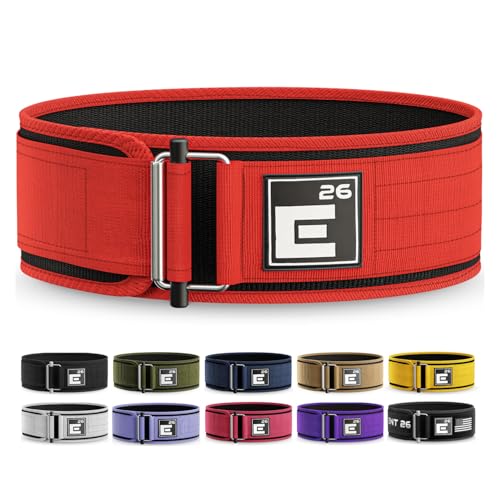 Element 26 Self-Locking (4")
|
Budget | Full-metal self-locking buckle | Functional athletes and competition use | Check Price | ||
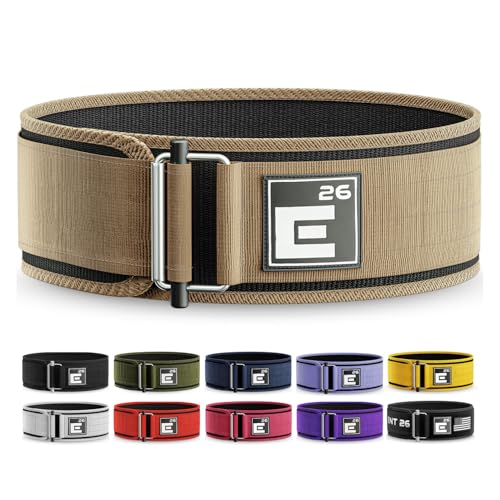 Element 26 Self-Locking (alt)
|
Budget | Infinitely adjustable self-lock system | Everyday gym users who need quick adjustments | Check Price | ||
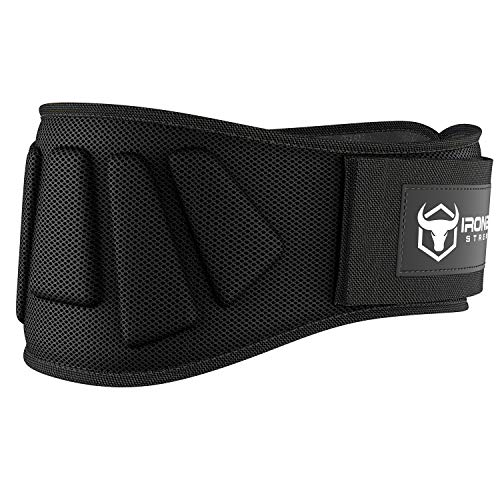 Iron Bull Strength 6" Auto-Lock
|
Premium | 6" contoured support with auto-lock roller buckle | Powerlifters and heavy squats/deadlifts | Check Price | ||
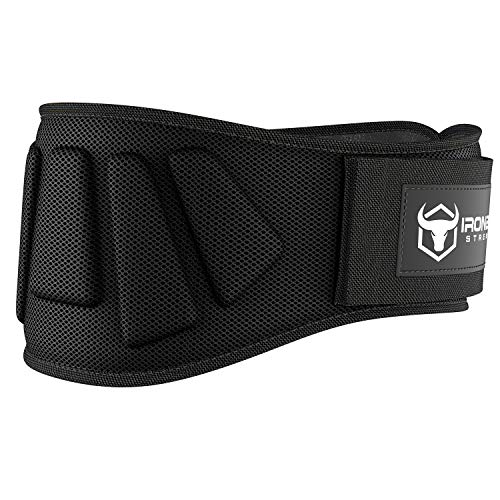 Iron Bull 6" (alt)
|
Premium | Reinforced back and roller-lock fastening | Lifters wanting high support and comfort | Check Price |
1. Element 26 Self-Locking Weight Lifting Belt - Premium Weightlifting Belt for Serious Functional Fitness and Olympic Lifting Athletes - Lifting Support for Men and Women - Deadlift Training Belt
This 4" uniform nylon belt solves the common problem of inconsistent pressure and belts that pop open. The full-metal self-locking buckle holds tension reliably while the lightweight premium nylon creates even intra-abdominal pressure for clean bracing and minimal rib digging—ideal for Metcons, Olympic lifts, and quick transitions.
Key Specs
- Material: 100% premium nylon
- Profile: uniform 4-inch width
- Closure: full-metal self-locking buckle + velcro
- Designed for functional fitness and competition use
Pros
- Self-locking buckle prevents slipping during heavy lifts
- Uniform 4" profile creates consistent pressure for bracing
- Breathable, hand-washable nylon reduces odor buildup
Cons
- Some lifters report fit can be tight near the limits of sizing
- Less rigid than leather for absolute maximal single-rep PRs
Best For: Functional athletes and competition use
Check Latest Price on Amazon2. Self-Locking Weight Lifting Belt - Premium Weightlifting Belt for Serious Functional Fitness, Weight Lifting, and Olympic Lifting Athletes - Lifting Support for Men and Women - Deadlift Training Belt
This variant of the Element 26 nylon belt focuses on fast, secure adjustment to keep your setup consistent between sets. The self-locking system plus velcro lets you dial pressure quickly so you get the support you need without fiddling—helpful when switching between squats, cleans, and deadlifts.
Key Specs
- Material: premium nylon with velcro backing
- Profile: 4-inch uniform design
- Closure: full-metal self-locking technology plus velcro
- Competition-trusted functional design
Pros
- Very easy to tighten and release between sets
- Stiff enough for heavy training while remaining comfortable
- Durable construction and simple care (hand wash)
Cons
- May feel too stiff at first until broken in through use
- Sizing must be measured around the navel for best fit
Best For: Everyday gym users who need quick adjustments
Check Latest Price on Amazon3. Weightlifting Belt For Men and Women - 6 Inch Auto-Lock Weight Lifting Back Support, Workout Back Support for Lifting, Fitness, Cross Training and Powerlifitng
The Iron Bull 6" belt addresses the need for maximal lumbar support and controlled compression. Its contoured 6" design and auto-lock roller buckle let you set a very secure, repeatable tension—great when chasing heavy singles and needing a firmer, more supportive shell than a 4" nylon belt provides.
Key Specs
- Material: neoprene with top layer mesh fabric
- Profile: 6-inch contoured front and rear
- Closure: auto-lock roller buckle with 4" velcro strap
- Construction: double stitching for durability
Pros
- Anatomical contour gives added lumbar support for heavy lifts
- Auto-lock buckle provides secure, repeatable tension
- Comfortable neoprene and mesh layer reduces chafing
Cons
- Sizing chart can be slightly off; measure around the belly button
- Wider 6" profile may limit mobility for some Olympic-style lifts
Best For: Powerlifters and heavy squats/deadlifts
Check Latest Price on Amazon4. Weightlifting Belt For Men and Women - 6 Inch Auto-Lock Weight Lifting Back Support, Workout Back Support for Lifting, Fitness, Cross Training and Powerlifitng
This Iron Bull listing offers the same 6" contoured support and reliable roller-lock fastener to keep pressure consistent across heavy sets. It solves common discomfort from wrongly shaped belts by tapering at the sides for improved movement while still offering solid back support for heavy compound lifts.
Key Specs
- Material: neoprene with mesh top layer
- Profile: contoured 6-inch design
- Closure: roller-lock buckle plus wide velcro strap
- Construction: reinforced stitching and durable materials
Pros
- Strong, secure fastening that rarely slips under load
- Comfortable anatomical shape reduces side pinching
- Sturdy build aimed at long-term durability
Cons
- May be bulkier in a gym bag compared to nylon 4" belts
- Some shoppers report the listed sizes run large
Best For: Lifters wanting high support and comfort
Check Latest Price on AmazonWhich One Should You Choose?
If budget is tight and you want secure, competition-friendly support, choose the Element 26 Self-Locking belt (B079ZJL47W). If you want the same design with easy micro-adjustments and the best value for daily training, the alternate Element 26 listing (B08WRSZ98C) is ideal. If you need maximum lumbar coverage and a very secure roller-lock, pick the Iron Bull 6" Auto-Lock (B07RNFDBGX). If you like the 6" shape but prefer minor variations in sizing or construction, the other Iron Bull listing (B07RQFLM9Z) is a similar premium choice.
Best for Specific Scenarios
- Heavy singles/Powerlifting: Iron Bull 6" Auto-Lock (B07RNFDBGX) because the contoured 6" profile and roller-lock let you set a very tight, repeatable brace for maximal lifts.
- Olympic/Functional Athletes: Element 26 Self-Locking 4" (B079ZJL47W) because the uniform 4" width allows mobility and the self-locking buckle keeps transitions fast and secure.
- Starter or gym-goers on a budget: Element 26 alternate (B08WRSZ98C) because the same self-locking tech and breathable nylon deliver strong support without premium cost and break-in hassles.
Frequently Asked Questions
How tight should a weightlifting belt be for comfort and support?
Tighten the belt until you can take a deep breath and push your abdomen against it to create intra-abdominal pressure, but not so tight that you can’t exhale or your ribs are pinched. You want firm resistance when you brace, with enough room to expand your diaphragm.
Where exactly should the belt sit on my body?
Position the belt around your lower back and abdomen so the top edge sits just below the bottom of your ribcage and the bottom edge is above the hip bones. That placement helps create even pressure across the core without riding up into the ribs or down over the hips.
How do I break in a new belt so it becomes comfortable?
For nylon/neoprene belts, wear it during warm-ups and several light sets to let it conform to your shape — they break in quickly. For leather or stiffer hybrids, flex and bend the belt gently, wear it for short sessions over a few weeks, and use leather conditioner sparingly if recommended. Never weld or forcibly crease a belt; gradual use is safer and more effective.
Can a belt solve low-back pain while lifting?
A belt helps by increasing intra-abdominal pressure and improving spinal stability during heavy lifts, which can reduce spinal loading. It’s not a cure for underlying issues—if you have persistent pain, consult a medical professional and treat the root cause alongside using a belt for heavier sets.
How We Selected These Products
Our recommendations are based on data-driven analysis: we evaluated 13975+ products across 2484+ brands using a composite scoring system that weighs rating (40%), review volume (30%), price value (20%), and demand signals (10%). Every product is ranked by data, not opinions.
Last updated: June 23, 2026
As an Amazon Associate we earn from qualifying purchases at no extra cost to you. Full disclosure.
FitReliant Score is our editorial ranking based on a composite analysis of product quality, value, and verified customer sentiment. Click through to Amazon for current pricing, availability, and live customer reviews.