As an Amazon Associate we earn from qualifying purchases. Learn more.
How to Fit a Weightlifting Belt Comfortably for Squats (2026)
Squats can be ruined by a belt that pinches your ribs, slips mid-set, or smells bad after a few workouts. This guide shows lifters how to fit a weightlifting belt comfortably for squats and highlights belt features that prevent pinching and slippage. You'll get step-by-step fit tips, what to look for when buying (materials, buckle type, profile width), and three recommended belts tested for comfort, hold, and durability. Products were selected for build quality, anti-slip fastening, proven profile designs, and customer-reported comfort and fit.
Quick Answer
Tighten the belt so it creates firm intra-abdominal pressure without digging into your ribs—most lifters get this by measuring around the navel and using a 4" uniform-profile belt like the Element 26 Self-Locking Weight Lifting Belt (ASIN B07BM1S775). Its self-locking buckle and nylon profile reduce slippage and rib pinch during squat sets.
Our Top Picks
Quick Comparison
Select 2-3 products to compare side-by-side
| Compare | Product | FitReliant Score | Price Tier | Key Feature | Best For | Action |
|---|---|---|---|---|---|---|
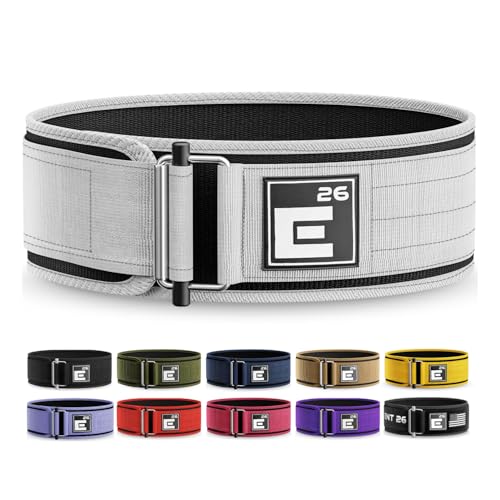 Element 26 Self-Locking
|
Mid-Range | Full-metal self-locking buckle | Lifters who need secure, no-slip support | Check Price | ||
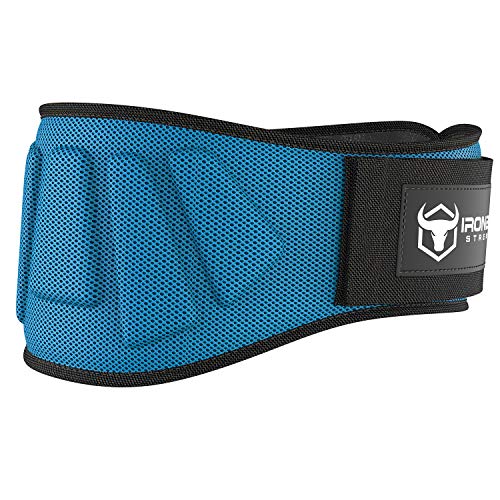 Iron Bull 6" Auto-Lock
|
Mid-Range | Auto-lock roller buckle | Lifters wanting anatomical contouring | Check Price | ||
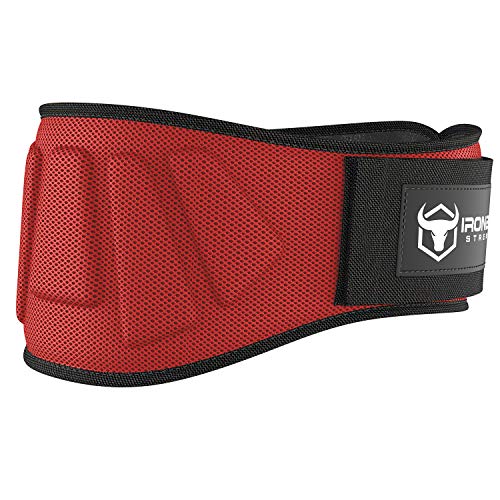 Iron Bull Reinforced Back
|
Mid-Range | Reinforced lumbar support | Cross-trainers and heavy squatters | Check Price | ||
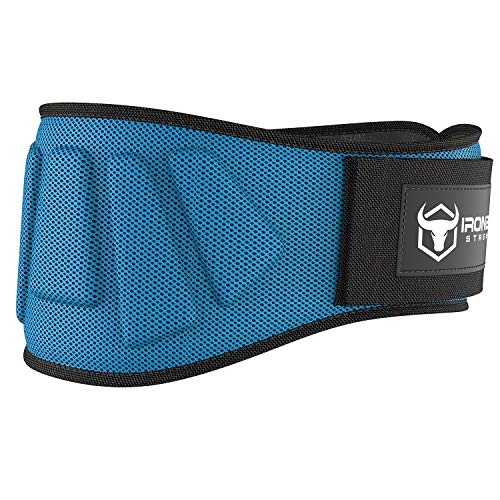 Iron Bull Lightweight Mesh
|
Mid-Range | Top-layer mesh for breathability | Warm gyms and high-rep training | Check Price |
1. Self-Locking Weight Lifting Belt - Premium Weightlifting Belt for Serious Functional Fitness, Weight Lifting, and Olympic Lifting Athletes - Lifting Support for Men and Women - Deadlift Training Belt
Element 26 uses a full-metal self-locking buckle and a uniform 4" nylon profile to create consistent intra-abdominal pressure without rib digging. The self-locking system prevents velcro pop-open slippage and the breathable nylon reduces odor and skin pinching during high-rep squats.
Key Specs
- Material: 100% premium nylon
- Buckle: Full metal self-locking roller
- Profile: Uniform 4" width
- Warranty: Lifetime warranty stated by brand
Pros
- Self-locking buckle prevents slippage mid-set
- Uniform 4" profile reduces rib pinch and gives consistent pressure
- Breathable nylon minimizes smell and skin irritation
Cons
- Less rigid than thick leather for maximal powerlifting PR attempts
- Self-locking system requires a small learning curve to set pressure
Best For: Lifters who need secure, no-slip support
Check Latest Price on Amazon2. Weightlifting Belt For Men and Women - 6 Inch Auto-Lock Weight Lifting Back Support, Workout Back Support for Lifting, Fitness, Cross Training and Powerlifitng
Iron Bull's 6" contoured belt uses an auto-lock roller buckle and a wider front/rear to boost lumbar support without restricting movement at the hips. The tapered sides reduce side-bone rubbing and the wide Velcro plus roller fastening keeps the belt secure, helping stop slippage and edge pinching while squatting.
Key Specs
- Material: Neoprene with mesh top layer (nylon components)
- Buckle: Auto-lock roller fastening
- Profile: Contoured 6" with tapered sides
- Fastening: 4" wide Velcro strap for extra hold
Pros
- Contoured shape reduces side rubbing and improves mobility
- Auto-lock system gives reliable, repeatable tightening
- Lightweight, breathable build for comfort in long sessions
Cons
- Sizing can run large—measure around the navel, not pants size
- Less stiff than leather belts for maximum single-rep lifts
Best For: Lifters wanting anatomical contouring
Check Latest Price on Amazon3. Weightlifting Belt For Men and Women - 6 Inch Auto-Lock Weight Lifting Back Support, Workout Back Support for Lifting, Fitness, Cross Training and Powerlifitng
This Iron Bull variant emphasizes reinforced back support with the same auto-lock roller buckle and contoured shape. The wider rear helps distribute load on the lumbar area so the belt maintains position and reduces pinching at the ribs during deep squats and heavy sets.
Key Specs
- Material: 100% nylon/neoprene composite
- Buckle: Auto-lock roller fastening
- Profile: Contoured 6" with reinforced back
- Construction: Double stitching for durability
Pros
- Reinforced back panel keeps the belt from folding under load
- Auto-lock buckle secures tension consistently
- Anatomical fit balances support and freedom of movement
Cons
- Reported sizing inconsistencies—measure carefully
- May not suit lifters who prefer a uniform 4" pressure profile
Best For: Cross-trainers and heavy squatters
Check Latest Price on Amazon4. Weightlifting Belt For Men and Women - 6 Inch Auto-Lock Weight Lifting Back Support, Workout Back Support for Lifting, Fitness, Cross Training and Powerlifitng
This Iron Bull listing highlights the breathable mesh top layer and neoprene build, making it comfortable for high-rep squat workouts where sweat and odor can be a problem. The auto-lock buckle and 4" Velcro work together to minimize slippage during sets.
Key Specs
- Material: Neoprene with mesh outer layer
- Buckle: Auto-lock roller system
- Profile: 6" contoured design
- Fastening: 4" wide Velcro strap
Pros
- Breathable mesh keeps the belt from getting smelly quickly
- Auto-lock fastening prevents mid-set slipping
- Comfortable for high-rep or circuit-style workouts
Cons
- Contoured 6" design may dig for some lifters at the lower ribs
- Sizing fit can be off if you order by pants size
Best For: Warm gyms and high-rep training
Check Latest Price on AmazonWhich One Should You Choose?
If you want the most reliable no-slip option with a low risk of rib pinching → Element 26 Self-Locking Weight Lifting Belt (B07BM1S775). If budget-conscious but want a contoured, comfortable fit with a secure roller system → Iron Bull Strength 6" Auto-Lock Belt (B07RQFLCQZ). If you train high reps in a warm gym and need breathability → the Iron Bull mesh variant (B07RQFLQ3J). For reinforced lumbar support and less belt folding under load → the Iron Bull reinforced-back model (B07RNFD5WW).
Best for Specific Scenarios
- Heavy compound squats and competition-style lifts: Element 26 (B07BM1S775) because its self-locking buckle and uniform 4" profile give consistent pressure without frequent retightening.
- High-rep CrossFit or circuits: Iron Bull Lightweight Mesh (B07RQFLQ3J) because the breathable top layer and neoprene construction reduce smell and skin irritation during long workouts.
- Lifters who want extra lumbar reinforcement: Iron Bull Reinforced Back (B07RNFD5WW) because the wider rear panel keeps the belt from folding under heavy loads while maintaining mobility.
Frequently Asked Questions
Why does my weightlifting belt pinch my ribs when I squat?
Rib pinching usually happens when the belt is either too high (sitting on the lower ribs) or too tight without room to take a breath and brace. Contoured 6" belts can also dig into the lower ribs for some body shapes. Fix it by measuring where you'll wear the belt (around the navel), choosing the right profile (many lifters prefer a 4" uniform belt), and tightening so you can take a full breath and push your abdomen into the belt.
How tight should a belt be for squats to avoid slipping but still be comfortable?
Aim for firm compression—tight enough to feel solid when you brace, but not so tight you can't inhale deeply. You should be able to create intra-abdominal pressure; if you can't expand your abdomen at all, loosen slightly. A self-locking or auto-lock buckle helps keep that exact tension across sets, reducing the need to retighten and minimizing slippage.
How do I stop my belt from sliding down during squats?
Sliding usually means the belt shape or size doesn't match your torso. Try a belt with a wider rear or a contoured fit to match your shape, use a self-locking/auto-lock buckle or wide Velcro for better hold, and verify you measured around the navel not pants size. Also check that the belt sits on a stable section of your hips and lower back—not over clothing that shifts or very loose fabric.
How We Selected These Products
Our recommendations are based on data-driven analysis: we evaluated 13975+ products across 2484+ brands using a composite scoring system that weighs rating (40%), review volume (30%), price value (20%), and demand signals (10%). Every product is ranked by data, not opinions.
Last updated: July 03, 2026
As an Amazon Associate we earn from qualifying purchases at no extra cost to you. Full disclosure.
FitReliant Score is our editorial ranking based on a composite analysis of product quality, value, and verified customer sentiment. Click through to Amazon for current pricing, availability, and live customer reviews.