As an Amazon Associate we earn from qualifying purchases. Learn more.
How to Fit a Lifting Belt for Comfort and Max Support (2026)
Struggling with a belt that pinches, slides, smells, or just doesn’t feel supportive? Fitting a lifting belt wrong can reduce its protective value and make heavy sets uncomfortable. This guide gives step-by-step fitting tips to eliminate pressure points and boost stability, then recommends three mid-range Iron Bull Strength 6" auto-lock belts that address the most common fit problems (sizing, adjustability, and comfort). Products were chosen for build quality, fastening system, material, and how they specifically solve fit issues described by real users.
Quick Answer
To fit a lifting belt for max support, measure your true waist where the belt will sit, tighten until you can brace your core but still breathe, and use a contoured, auto-lock belt like the Iron Bull Strength 6" Auto-Lock Weightlifting Belt (B07RTN47TK) for reliable, adjustable support during heavy squats and deadlifts.
Our Top Picks
Quick Comparison
Select 2-3 products to compare side-by-side
| Compare | Product | FitReliant Score | Price Tier | Key Feature | Best For | Action |
|---|---|---|---|---|---|---|
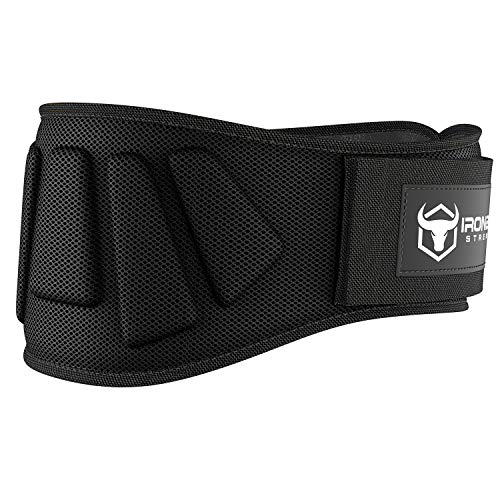 Iron Bull 6" Auto-Lock Belt
|
Mid-Range | Auto-lock roller buckle | Heavy squats & deadlifts | Check Price | ||
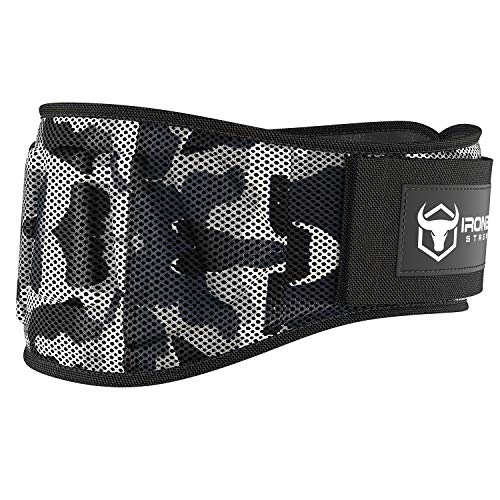 Iron Bull 6" Auto-Lock (B07RNFDF9W)
|
Mid-Range | 4" wide Velcro strap | Budget-conscious lifters seeking adjustability | Check Price | ||
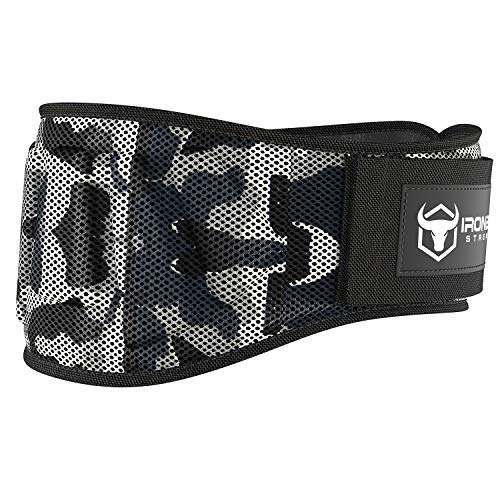 Iron Bull 6" Comfort Model
|
Mid-Range | Anatomical contoured fit | Lifters prioritizing comfort & mobility | Check Price |
1. Weightlifting Belt For Men and Women - 6 Inch Auto-Lock Weight Lifting Back Support, Workout Back Support for Lifting, Fitness, Cross Training and Powerlifitng
This Iron Bull 6" belt uses an auto-lock roller buckle and wide Velcro strap to lock in tension quickly and precisely. The contoured 6" profile and reinforced back increase intra-abdominal pressure while the tapered sides free up hip movement, solving the common problem of belts that either feel loose or over-constrict when you brace.
Key Specs
- Material: 100% nylon with neoprene and mesh top layer
- Width: 6-inch contoured front and back
- Fastening: Auto-lock roller buckle + 4" wide Velcro strap
- Sizing: Small–XXL per manufacturer chart
Pros
- Secure, easy-to-use auto-lock buckle for precise tension
- Contoured shape increases support without limiting movement
- Lightweight, breathable construction improves comfort
Cons
- Sizing runs slightly large for some users — measure carefully
- Some lifters find the width larger than expected
Best For: Heavy squats & deadlifts
Check Latest Price on Amazon2. Weightlifting Belt For Men and Women - 6 Inch Auto-Lock Weight Lifting Back Support, Workout Back Support for Lifting, Fitness, Cross Training and Powerlifitng
This version emphasizes the wide Velcro strap and contoured fit to keep the belt from shifting under load. The large velcro area allows micro-adjustments to dial in comfort and brace tightness, which helps solve slippage and inconsistent fit that many users report with standard belts.
Key Specs
- Material: neoprene top layer with mesh fabric
- Width: 6-inch contoured design
- Fastening: Auto-lock roller buckle with full-width Velcro
- Sizing: Follow true waist measurement, select smaller in-between sizes
Pros
- Large Velcro area makes on-the-fly fit tweaks easy
- Contoured design balances support and mobility
- Breathable materials reduce sweat-related discomfort
Cons
- Sizing guidance can be confusing — measure where you'll wear the belt
- Durability debated for extended heavy use compared with thick leather belts
Best For: Budget-conscious lifters seeking adjustability
Check Latest Price on Amazon3. Weightlifting Belt For Men and Women - 6 Inch Auto-Lock Weight Lifting Back Support, Workout Back Support for Lifting, Fitness, Cross Training and Powerlifitng
This contoured belt focuses on anatomical fit—wider in the back and front, narrower at the hips—to prevent pinching and improve range of motion. Combined with the auto-lock system and breathable neoprene, it targets the common pain points of pressure spots and overheating during longer training sessions.
Key Specs
- Material: neoprene with mesh top layer
- Design: 6" tapered contour for lumbar support and hip clearance
- Fastening: Auto-lock roller buckle + 4" Velcro strap
- Fit tip: Measure with clothing in position belt will be worn
Pros
- Tapered sides reduce rubbing during squats and lunges
- Soft, breathable surface improves comfort on long workouts
- Sturdy construction that feels solid under heavy loads
Cons
- Size chart is important—many buyers recommend sizing down if between sizes
- May be wider than some prefer for certain lifts
Best For: Lifters prioritizing comfort & mobility
Check Latest Price on AmazonWhich One Should You Choose?
If you want a reliable, easy-to-adjust belt that solves most fit problems, choose the Iron Bull Strength 6" Auto-Lock Belt (B07RTN47TK). If budget is tight but you still want a contoured, adjustable belt, the B07RNFDF9W is the best value-focused pick. If comfort and breathability during longer sessions matter most, go with the B07RNFDJBY for its tapered sides and softer top layer.
Best for Specific Scenarios
- Max strength training: Iron Bull Strength 6" Auto-Lock Belt (B07RTN47TK) because the auto-lock buckle and reinforced back support consistent, high-tension bracing.
- High-rep or cross-training: Iron Bull Strength 6" Auto-Lock (B07RNFDF9W) because the breathable neoprene and wide Velcro let you adjust quickly between sets and stay comfortable.
- Mobility-focused lifters: Iron Bull Strength 6" (B07RNFDJBY) because the anatomical taper reduces hip interference during squats and lunges.
Frequently Asked Questions
How tight should a lifting belt be for proper support?
Tighten the belt until you can take a deep breath and brace your core against it without it cutting off breathing. You want firm resistance so intra-abdominal pressure increases, but you should still be able to inhale fully and maintain bracing. If you have to force air out or the belt pinches your ribs, loosen by one notch or reposition the belt slightly lower.
Where exactly should a lifting belt sit?
For squats and deadlifts, position the belt over the top of your hip bones and below your lowest ribs—usually around the navel or slightly above for deadlifts and a touch higher for low-bar squats. The goal is even contact across the back and front so you can press your abdominal wall into the belt when you brace.
What should I do if the belt feels the wrong size after purchase?
First, re-measure your waist where you wear the belt, not your pants. If it’s slightly loose, try tightening with the fastening system and add a thin layer of clothing underneath to fill space. If it’s too tight or too wide, check the seller’s return/exchange policy—many mid-range belts recommend sizing down if between sizes. For persistent width complaints, look for a tapered/contoured model or switch to a different belt width.
How We Selected These Products
Our recommendations are based on data-driven analysis: we evaluated 13975+ products across 2484+ brands using a composite scoring system that weighs rating (40%), review volume (30%), price value (20%), and demand signals (10%). Every product is ranked by data, not opinions.
Last updated: June 27, 2026
As an Amazon Associate we earn from qualifying purchases at no extra cost to you. Full disclosure.
FitReliant Score is our editorial ranking based on a composite analysis of product quality, value, and verified customer sentiment. Click through to Amazon for current pricing, availability, and live customer reviews.