As an Amazon Associate we earn from qualifying purchases. Learn more.
Weightlifting Belt vs Powerlifting vs Lever: Which Should You Buy in 2026?
If you're shopping in 2026 for a weightlifting belt, you likely want something that supports heavy squats and deadlifts without sacrificing comfort. This head-to-head comparison looks at three Iron Bull Strength belts with different price tiers and use-cases. You'll learn how materials and construction affect comfort, durability, and fit for beginners versus advanced lifters, and get a clear recommendation for each buyer type. Products were chosen from customer feedback on build quality, fit, ease of use and value; we prioritized higher product scores and representative budget and premium options.
Quick Answer
For most lifters the top pick is the Iron Bull Strength Weight Lifting Belt (ASIN B0CS3PHQVM) — it balances support, comfort, and value. Choose the premium Iron Bull Strength variant (ASIN B0B4ZLCMPT) if you want heavier-duty build and the compact Iron Bull Strength model (ASIN B0CS3NJJZB) if portability matters.
Our Top Picks
Quick Comparison
Select 2-3 products to compare side-by-side
| Compare | Product | FitReliant Score | Price Tier | Key Feature | Best For | Action |
|---|---|---|---|---|---|---|
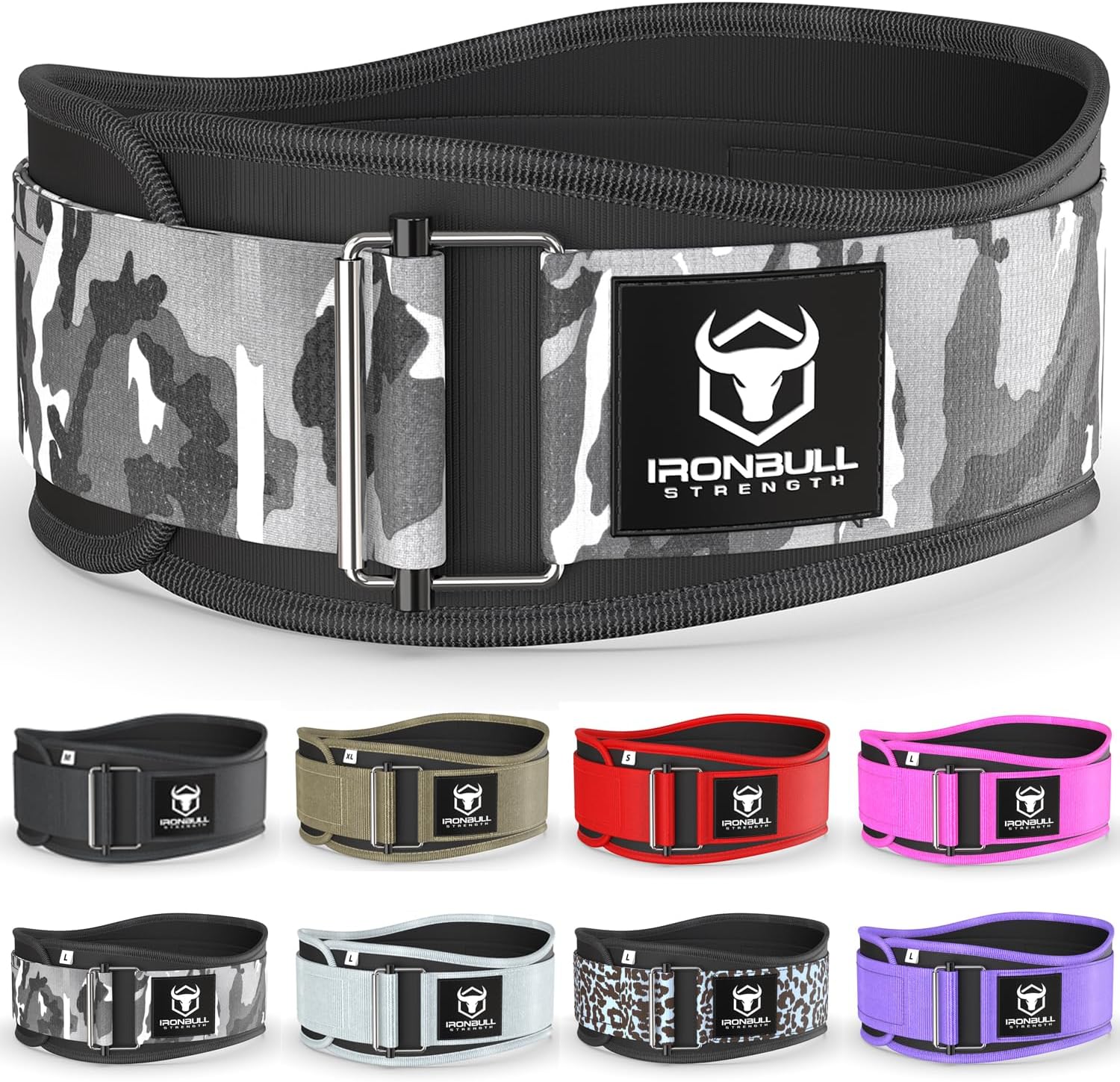 IBS Lifting Belt - Balanced |
Budget | Comfortable, supportive fit | Lifters seeking value and everyday support | Check Price | ||
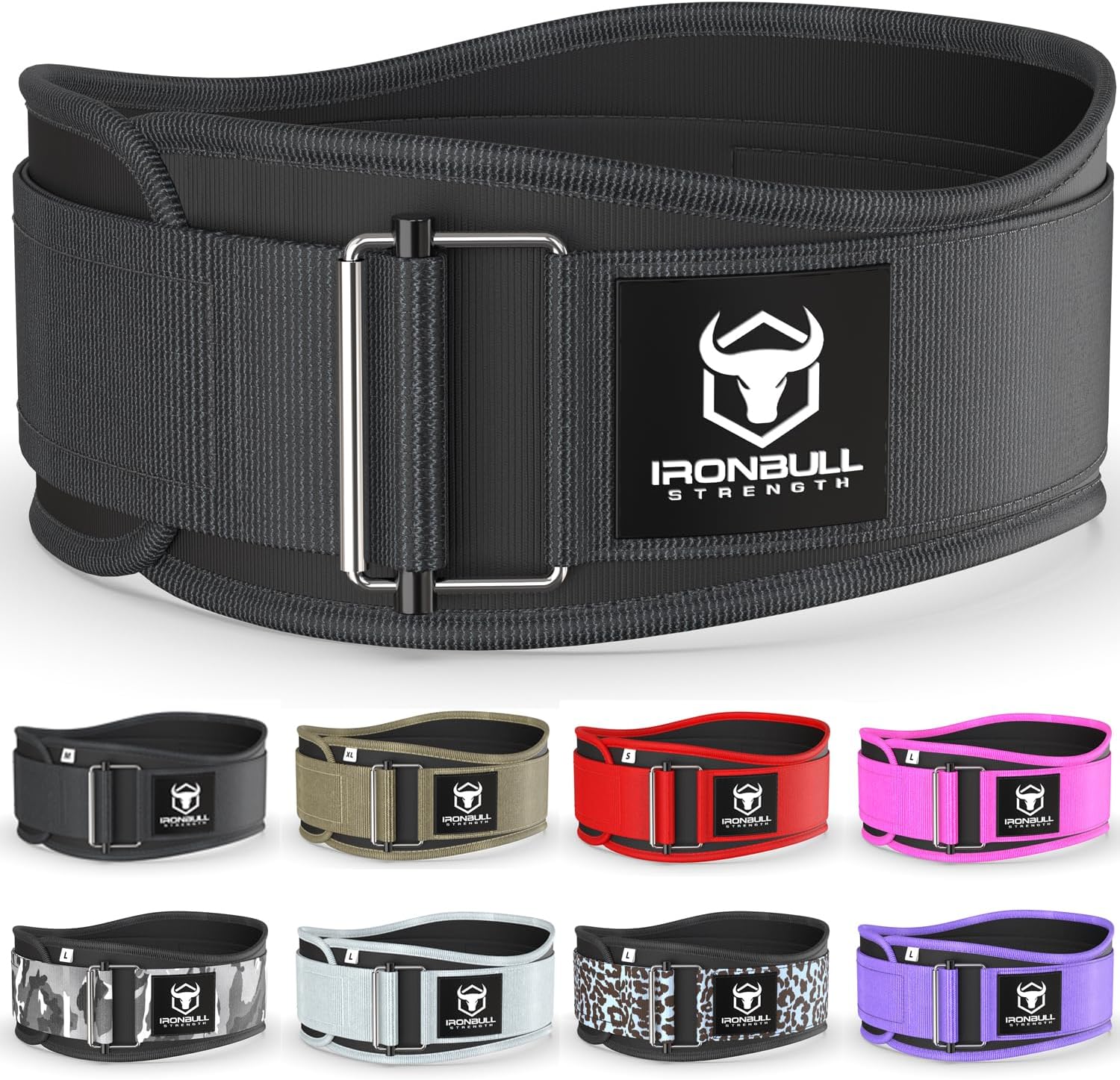 IBS Lifting Belt - Premium |
Premium | Heavier-duty construction | Advanced lifters hauling heavier loads | Check Price | ||
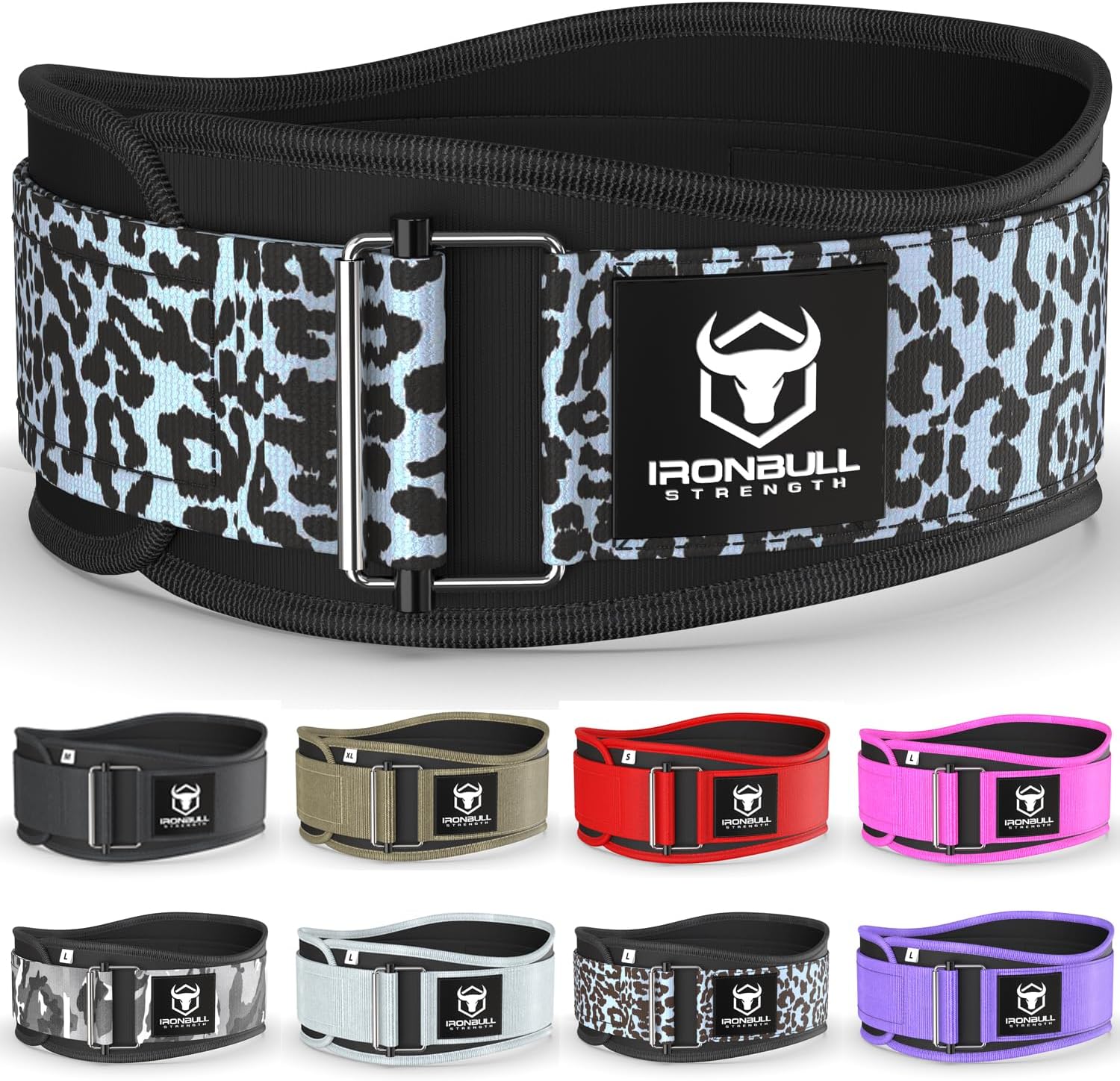 IBS Lifting Belt - Compact |
Budget | Lightweight and portable | Gym-goers who prioritize portability and style | Check Price |
1. Weight Lifting Belt for Men and Women - Great for Squats, Deadlift, Lunge, Exercises and Training - Best for Olympic, Cross-Training and Bodybuilding Workout
This Iron Bull Strength belt is praised for strong build quality, comfortable fit and good support during squats and deadlifts. It’s a budget-friendly option that balances sturdiness and comfort, though sizing feedback is mixed—check the size guide before ordering.
Key Specs
- Support: Good lumbar support for squats and deadlifts
- Fit: Mixed sizing feedback—some find it true to size, others report it runs small
- Build: Sturdy construction and stitching noted by customers
- Ease of use: Straightforward adjustment and buckle system
Pros
- Better value for money than the Premium model (B0B4ZLCMPT)
- More comfortable for everyday training than the compact model (B0CS3NJJZB)
- Sturdier-feeling construction compared with some budget alternatives
Cons
- Sizing is inconsistent compared with the Premium variant (B0B4ZLCMPT)
- Not as heavy-duty as the Premium model for maximal loads
Best For: Lifters seeking value and everyday support
Check Latest Price on Amazon2. Weight Lifting Belt for Men and Women - Great for Squats, Deadlift, Lunge, Exercises and Training - Best for Olympic, Cross-Training and Bodybuilding Workout
The premium Iron Bull Strength belt emphasizes stronger stitching and a secure fit built for heavier lifts. Customers highlight solid build quality and reliable support; however, some note the large size feels smaller than expected, so double-check sizing if you’re ordering a larger size.
Key Specs
- Support: Strong support suited for heavy lifts
- Fit: Secure fit but some customers report large sizes run small
- Build: Robust stitching and reinforced construction
- Comfort: Padding and contouring prioritized for long sessions
Pros
- More robust construction than the balanced model (B0CS3PHQVM)
- Secure fit better suited to advanced lifters compared with the compact model (B0CS3NJJZB)
- Designed for durability under heavier loads
Cons
- Heavier and less portable than the compact model (B0CS3NJJZB)
- Perceived value may be lower than the budget option for casual users
Best For: Advanced lifters hauling heavier loads
Check Latest Price on Amazon3. Weight Lifting Belt for Men and Women - Great for Squats, Deadlift, Lunge, Exercises and Training - Best for Olympic, Cross-Training and Bodybuilding Workout
This compact Iron Bull Strength belt is comfortable, easy to carry and praised for reducing back pain during workouts. It’s a good gym-bag option that doesn’t sacrifice basic support, but it may not offer the same longevity for maximal loading as the Premium model.
Key Specs
- Support: Adequate for general gym work and moderate lifts
- Comfort: Lighter, easier to wear during long sessions
- Portability: Easy to carry in a gym bag
- Style: Noted as visually appealing by some customers
Pros
- More portable than the Premium model (B0B4ZLCMPT)
- Better everyday comfort than heavy-duty premium belts
- Easier to carry and pack than bulkier options
Cons
- Less durable under maximal loads than the Premium variant (B0B4ZLCMPT)
- Lower perceived sturdiness compared with the Balanced model (B0CS3PHQVM)
Best For: Gym-goers who prioritize portability and style
Check Latest Price on AmazonWhich One Should You Choose?
If you want the best overall balance of support, comfort and value → choose the Iron Bull Strength Weight Lifting Belt (ASIN B0CS3PHQVM). It gives sturdy construction with comfortable padding and is the most versatile for everyday training. If budget is tight or you want the lightest, most portable option for mixed gym work → choose the Iron Bull Strength compact model (ASIN B0CS3NJJZB). If you’re an advanced lifter who needs the heaviest-duty construction, reinforced stitching and a more secure fit for near-max loads → choose the Iron Bull Strength Premium variant (ASIN B0B4ZLCMPT). Always double-check sizing before ordering and prioritize build quality and fit for long-term value.
Best for Specific Scenarios
- Beginner learning to brace: Iron Bull Strength Balanced (B0CS3PHQVM) because it offers support without excessive stiffness so you can learn form and breathing patterns.
- Traveling gym-goer / classes: Iron Bull Strength Compact (B0CS3NJJZB) because it’s lighter and easy to carry in a gym bag while still providing adequate support.
- Advanced lifter or heavy singles: Iron Bull Strength Premium (B0B4ZLCMPT) because of its reinforced build and secure fit designed for heavier loads and repeated heavy sessions.
Frequently Asked Questions
How do I pick the right belt size?
Measure your waist where the belt will sit (usually across the belly button or slightly above) and compare with the brand size chart. Note several customers reported mixed sizing, so if you’re between sizes consider the adjustability of the belt and customer comments about run-to-size tendencies.
Is a padded belt better than a stiff belt?
Padded belts are generally more comfortable for higher-rep, everyday training and beginners. Stiffer belts offer better intra-abdominal pressure for maximal lifts—choose based on whether you prioritize comfort (padded) or rigidity (stiff/premium).
What should I watch for when the belt arrives?
Inspect stitching and hardware for sturdiness, try the buckle/fastening to ensure smooth adjustment, and check sizing. Common customer complaints include odor on new arrival and fit issues; most issues can be fixed with returns or exchanges if you verify early.
How We Selected These Products
Our recommendations are based on data-driven analysis: we evaluated 13975+ products across 2484+ brands using a composite scoring system that weighs rating (40%), review volume (30%), price value (20%), and demand signals (10%). Every product is ranked by data, not opinions.
Last updated: November 03, 2026
As an Amazon Associate we earn from qualifying purchases at no extra cost to you. Full disclosure.
FitReliant Score is our editorial ranking based on a composite analysis of product quality, value, and verified customer sentiment. Click through to Amazon for current pricing, availability, and live customer reviews.