As an Amazon Associate we earn from qualifying purchases. Learn more.
Lifting Belt vs Power Belt vs Lever Belt: What to Use for Deadlifts? (2026)
If you deadlift heavy, choosing between a lifting belt, a power belt, and a lever belt comes down to one tradeoff: maximum support versus convenience. This head-to-head looks at three Iron Bull Strength weight belts to show how those tradeoffs play out in real gym use. You’ll learn which belt gives the most rigid lumbar support, which one is easiest to adjust mid-session, and which delivers the best value. Products were selected from Iron Bull Strength offerings in our database and ordered by product suitability (product score and user feedback), then compared on comfort, build, fit, and ease of use.
Quick Answer
For most lifters the best balance of support and value is the Iron Bull Strength Weight Lifting Belt (ASIN B0CS3NJJZB). If you want a premium, quick-adjust belt with an ergonomic fit choose the Iron Bull Strength 4.5" Performance Belt (ASIN B0B4ZRBG5H).
Our Top Picks
Quick Comparison
Select 2-3 products to compare side-by-side
| Compare | Product | FitReliant Score | Price Tier | Key Feature | Best For | Action |
|---|---|---|---|---|---|---|
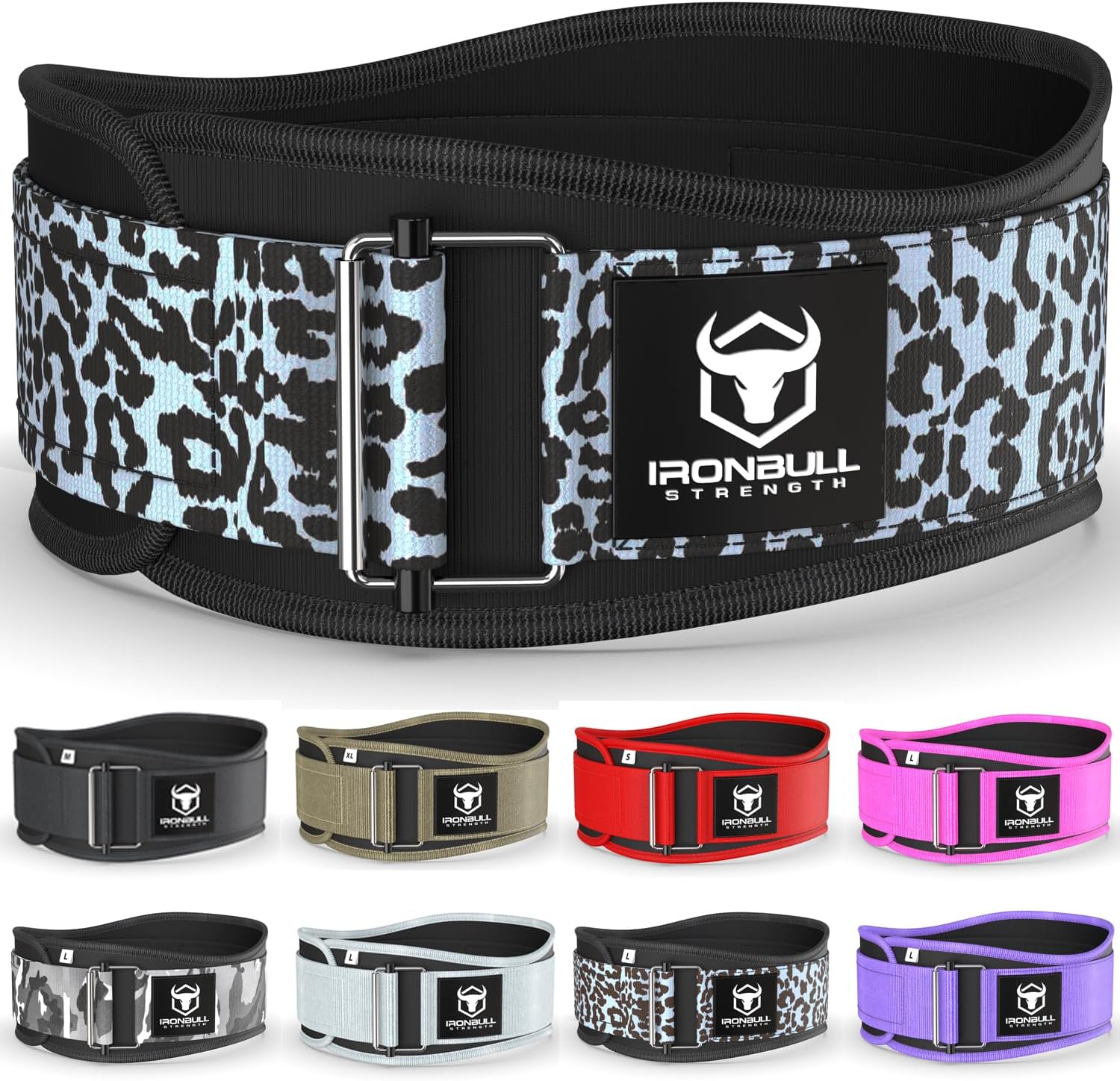 Iron Bull Strength (Budget)
|
Budget | Comfortable, supportive day-to-day belt | Beginners and cross-trainers on a budget | Check Price | ||
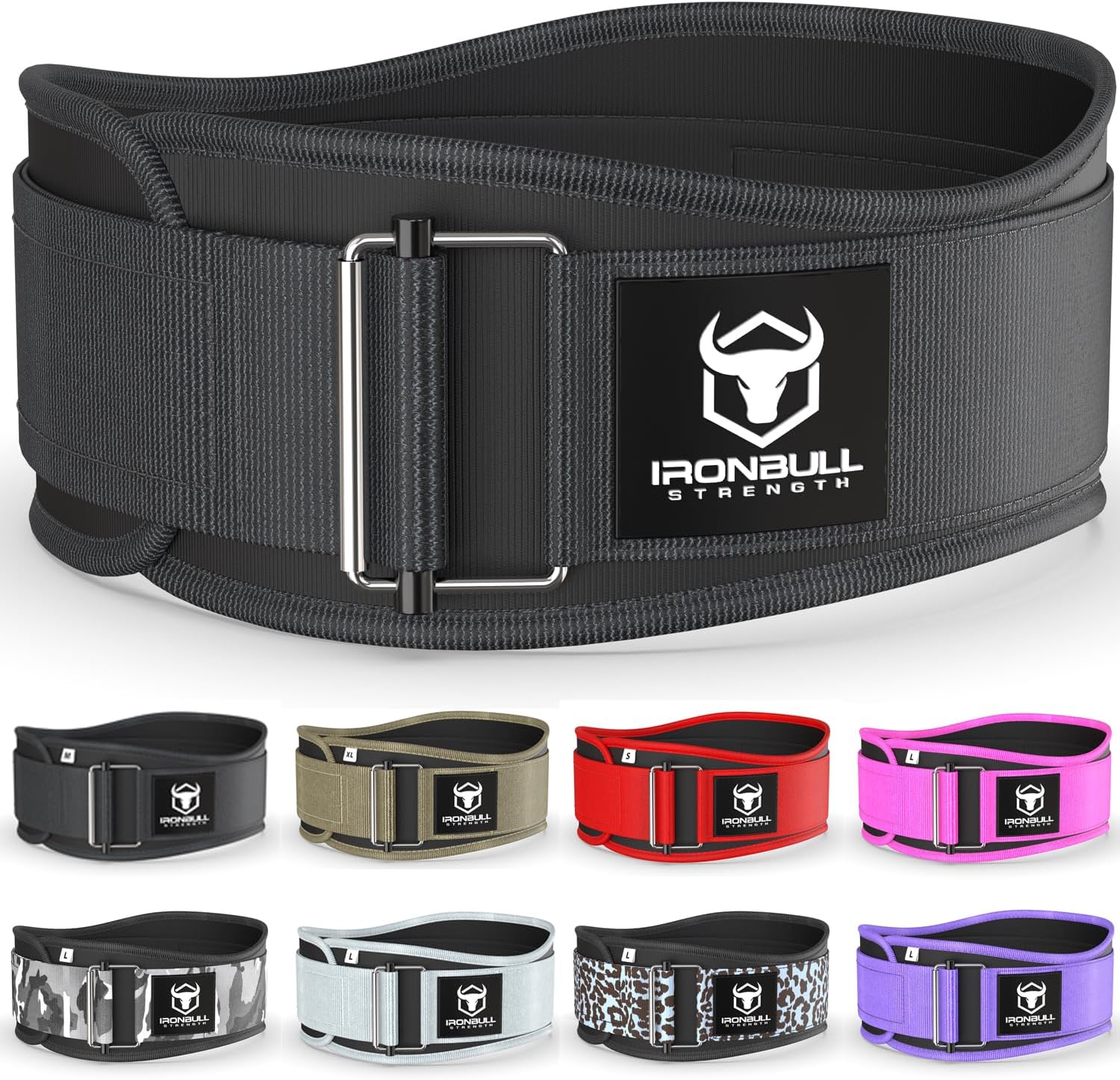 Iron Bull 4.5" Performance
|
Premium | 4.5" support with Auto-Lock fastener | Experienced lifters who want quick adjustments | Check Price | ||
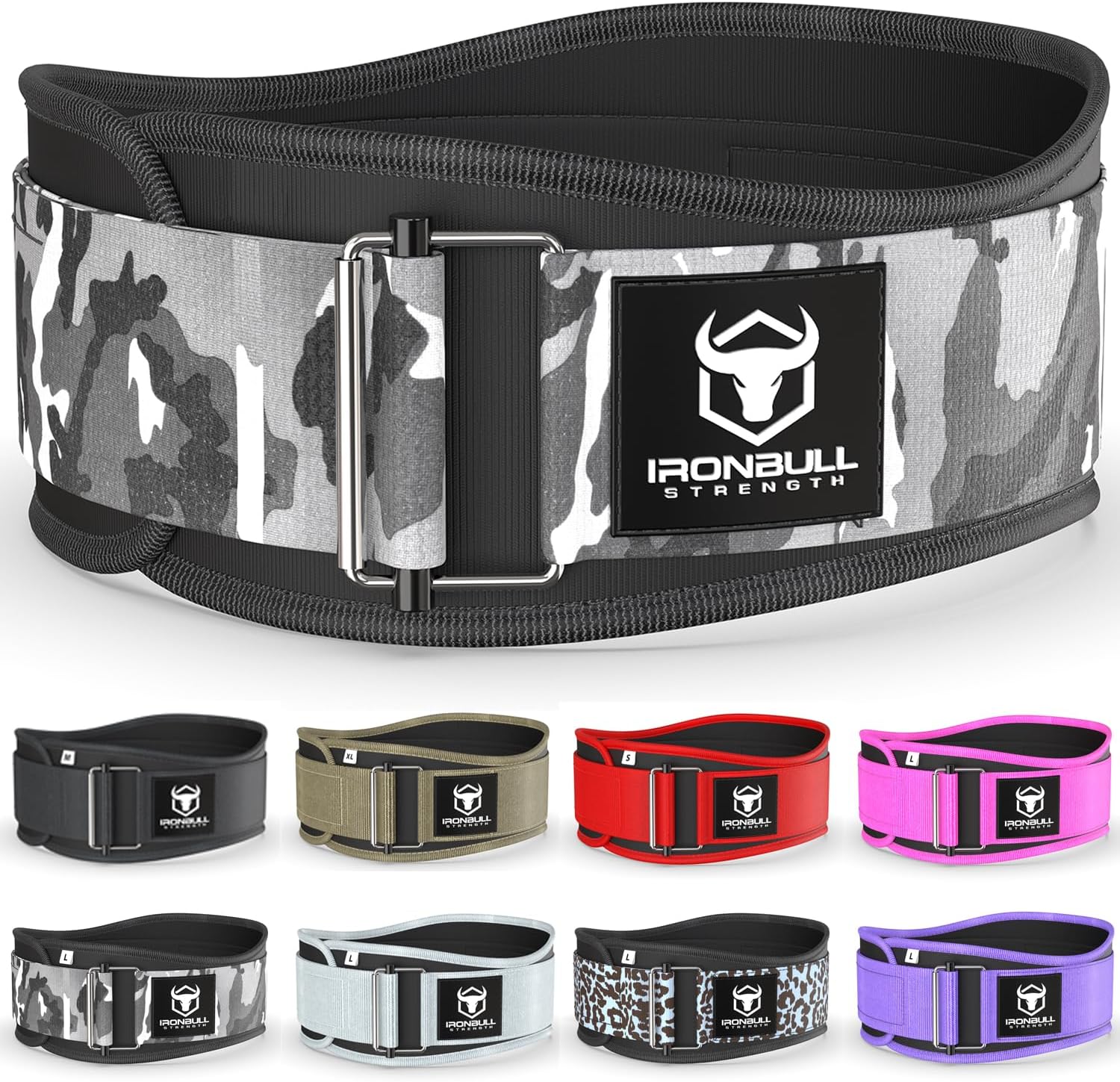 Iron Bull Strength (Value)
|
Budget | Sturdy, value-oriented lifting belt | Lifters who prioritize sturdiness and value | Check Price |
1. Weight Lifting Belt for Men and Women - Great for Squats, Deadlift, Lunge, Exercises and Training - Best for Olympic, Cross-Training and Bodybuilding Workout
A well-rounded, affordable weightlifting belt that customers praise for comfort, fit and reliable support. It’s an accessible choice if you want solid lumbar help for squats and deadlifts without premium features.
Key Specs
- Designed for squats, deadlifts and lunges
- Unisex fit suitable for Olympic and bodybuilding workouts
- Easy to carry in a gym bag
- Support-focused construction for heavy lifts
Pros
- More affordable than the premium performance option
- Comfortable fit that users consistently praise
- Good build quality for the price
Cons
- Lacks advanced locking hardware found on premium belt
- Sizing can be inconsistent for some users
Best For: Beginners and cross-trainers on a budget
Check Latest Price on Amazon2. Weight Lifting Belt for Men and Women - Great for Squats, Deadlift, Lunge, Exercises and Training - Best for Olympic, Cross-Training and Bodybuilding Workout
A performance-focused 4.5" belt with an ergonomic contour and Auto-Lock technology for fast, consistent fastening. It leans toward convenience and anatomical fit while still offering solid core support for heavy lifts.
Key Specs
- 4.5 inch front and rear support
- Auto-Lock fastening system for quick adjustments
- Ergonomic, anatomical shape for better fit
- Ultra-light design for portability
Pros
- Better anatomical fit than the budget options
- Quicker adjustments thanks to Auto-Lock hardware
- Balanced front and rear compression for heavy pulls
Cons
- Sizing has mixed feedback — measure carefully
- Higher price tier than other Iron Bull options
Best For: Experienced lifters who want quick adjustments
Check Latest Price on Amazon3. Weight Lifting Belt for Men and Women - Great for Squats, Deadlift, Lunge, Exercises and Training - Best for Olympic, Cross-Training and Bodybuilding Workout
A sturdy, well-built belt that users find comfortable and supportive — a reliable choice if you want solid construction without spending on premium features.
Key Specs
- Designed to maintain posture during heavy lifts
- Sturdy construction for durability
- Good fit for many users when sized correctly
- Positioned as a value option
Pros
- Sturdier feel than some entry-level belts
- Strong value for money compared with premium belts
- Consistent support for deadlifts and squats
Cons
- Size can run small for some users
- Fewer convenience features (no Auto-Lock)
Best For: Lifters who prioritize sturdiness and value
Check Latest Price on AmazonWhich One Should You Choose?
If you want the best overall balance of support, comfort and value → choose the Iron Bull Strength Weight Lifting Belt (ASIN B0CS3NJJZB). It’s the top pick here for most lifters because users consistently praise its fit, build and day-to-day functionality.
If you need premium convenience and an anatomical fit for quick, repeated adjustments during heavy sessions → choose the Iron Bull Strength 4.5" Performance Belt (ASIN B0B4ZRBG5H). The Auto-Lock fastening and contoured shape favor lifters who prioritize fast setup and a tailored fit.
If your priority is sturdiness and maximum value for frequent training without premium hardware → choose the Iron Bull Strength Weight Lifting Belt (ASIN B0CS3PHQVM). It’s built to feel solid and offers reliable support at a lower price tier.
Best for Specific Scenarios
- Daily training and mixed workouts: Iron Bull Strength Weight Lifting Belt (B0CS3NJJZB) because it balances comfort and support for varied rep schemes.
- Quick meet prep or fast adjustments between heavy sets: Iron Bull Strength 4.5" Performance (B0B4ZRBG5H) because Auto-Lock and ergonomic shaping speed up setup and improve fit.
- Budget lifters who want durability: Iron Bull Strength Value Belt (B0CS3PHQVM) because it emphasizes sturdy construction and value for money.
Frequently Asked Questions
Do I need a belt for deadlifts?
A belt helps increase intra-abdominal pressure, improving spinal support during heavy lifts. Use a belt for heavy sets, near-max attempts, or when you need extra stability—still focus on bracing technique and build a strong core alongside belt use.
Which closure is best: prong, lever, or Auto-Lock?
Lever closures lock quickly and very tightly—great for meets. Prong buckles are traditional and adjustably secure. Auto-Lock or ratchet-style systems combine speed with consistent tension; choose based on whether you prioritize absolute stiffness (lever/prong) or convenience (ratchet/Auto-Lock).
How do I pick the right size?
Measure your natural waist at belly button level and compare to the brand’s size guide. If you’re between sizes and prefer tighter compression for singles, size down; for varied training and layering, choose the size that allows firm but comfortable breathing and bracing.
How We Selected These Products
Our recommendations are based on data-driven analysis: we evaluated 13975+ products across 2484+ brands using a composite scoring system that weighs rating (40%), review volume (30%), price value (20%), and demand signals (10%). Every product is ranked by data, not opinions.
Last updated: June 30, 2026
As an Amazon Associate we earn from qualifying purchases at no extra cost to you. Full disclosure.
FitReliant Score is our editorial ranking based on a composite analysis of product quality, value, and verified customer sentiment. Click through to Amazon for current pricing, availability, and live customer reviews.