As an Amazon Associate we earn from qualifying purchases. Learn more.
Weightlifting Belt: Leather vs Lever vs Nylon (2026 Comparison)
Choosing the right weightlifting belt comes down to style and purpose: leather and lever belts suit heavy powerlifting, nylon and quick-lock belts excel for Olympic lifts and CrossFit-style training, while dip belts add weighted resistance to bodyweight moves. In this head-to-head comparison we evaluate three Gymreapers products — two quick-locking nylon belts and a heavy-duty dip belt — selected for build quality, customer feedback, materials and real-world functionality. Read on to learn which belt fits your training goals, how they compare on comfort, durability and fit, and which to buy in 2026.
Quick Answer
Best overall: Gymreapers Dip Belt With Chain (ASIN B0B7KGNCND) — a sturdy, comfortable choice for heavy weighted bodyweight work and long-term durability. For budget cross-training or Olympic-style training pick the Gymreapers Quick Locking Nylon Belt (ASIN B09YVLGR5V) for fast on/off and lightweight feel.
Our Top Picks
Quick Comparison
Select 2-3 products to compare side-by-side
| Compare | Product | FitReliant Score | Price Tier | Key Feature | Best For | Action |
|---|---|---|---|---|---|---|
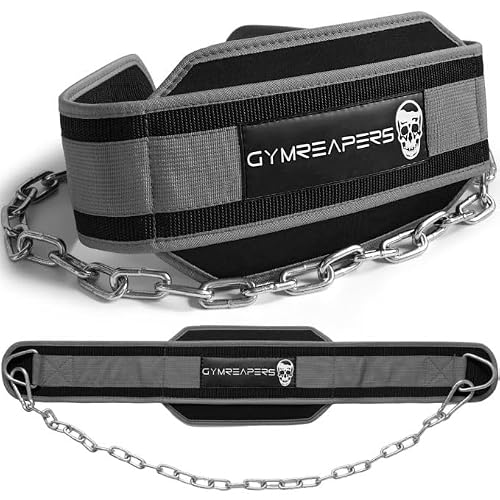 Gymreapers Dip Belt
|
Mid-Range | Heavy-duty steel chain | Weighted dips, pull-ups, hip-squat variants | Check Price | ||
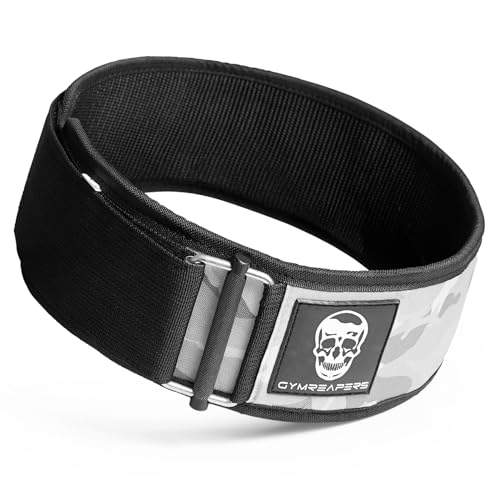 Quick Locking Belt (B09YVLGR5V)
|
Budget | Quick-lock metal buckle | Cross-training, Olympic lifts, general strength work | Check Price | ||
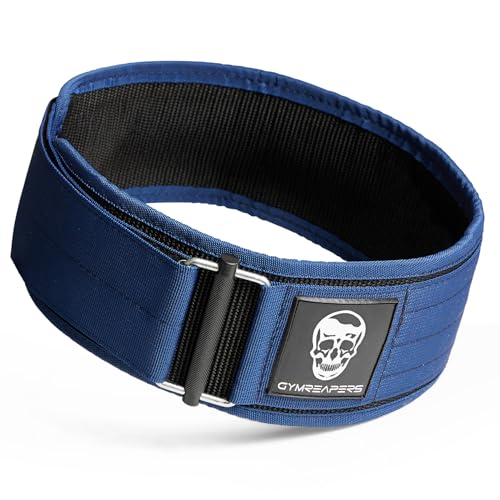 Quick Locking Belt (B0953Z4PG4)
|
Budget | Lightweight adjustable nylon construction | Functional training and fast-paced workouts | Check Price |
1. Gymreapers Dip Belt With Chain For Weightlifting, Pull Ups, Dips - Heavy Duty Steel Chain For Added Weight Training
A purpose-built dip belt with thick steel chain and contoured neoprene back padding. It balances comfort and durability for serious bodyweight progression and multi-use weighted training, with a focus on secure hardware and long-term build quality.
Key Specs
- Heavy-duty steel chain (heavy gauge, adjustable length)
- Contoured neoprene back padding for lower-back comfort
- Enlarged steel carabiner and thick D-ring hardware
- Designed for weighted dips, pull-ups, chin-ups and hip-belt squats
Pros
- Stronger build and higher weight capacity than nylon quick-lock belts
- Better lower-back padding and comfort than narrow training belts
- More durable hardware and stitching for long-term use
Cons
- Heavier and less portable than quick-locking nylon belts
- Some users report the chain length may not fit every preference
Best For: Weighted dips, pull-ups, hip-squat variants
Check Latest Price on Amazon2. Gymreapers Quick Locking Weight Lifting Belt for Men Gym Belt for Powerlifting Deadlift Belt with 4 Inch Neoprene Metal Buckle Back Support Weightlifting Belt Women
A lightweight 4-inch nylon belt with a quick-lock metal buckle built for fast transitions in circuits and functional training. Customers praise its comfort and value for money, though fit and Velcro/stitching durability are mixed in reports.
Key Specs
- 4-inch uniform width for midsection support
- Quick locking heavy-duty metal buckle
- Made from 100% high-grade nylon with reinforced stitching
- Lightweight, adjustable design for fast on/off
Pros
- More portable and lighter than the dip belt
- Faster on/off than traditional prong or lever belts
- Better value and easier to travel with than leather belts
Cons
- Less durable long-term than leather or steel-chain alternatives
- Fit and fastening can be inconsistent; some report Velcro or stitching issues
Best For: Cross-training, Olympic lifts, general strength work
Check Latest Price on Amazon3. Gymreapers Quick Locking Weight Lifting Belt for Men Gym Belt for Powerlifting Deadlift Belt with 4 Inch Neoprene Metal Buckle Back Support Weightlifting Belt Women
Nearly identical in purpose to the other quick-lock model, this nylon belt emphasizes lightweight design and the same 4-inch support profile. It’s a solid budget pick for athletes who prioritize mobility and quick transitions, with the usual trade-offs in long-term durability and sizing consistency.
Key Specs
- 4-inch width for consistent midsection support
- Quick locking buckle and adjustable sizing (measure around navel)
- High-grade nylon and reinforced stitching, designed for training use
- Competition-tested design for varied lifting styles
Pros
- Same quick-lock convenience and lighter feel than bulkier belts
- Good value for general training and conditioning
- Easier to adjust mid-session than prong or lever belts
Cons
- Durability and Velcro/stitching concerns reported by some users
- Can feel narrower or not tight enough for heavier powerlifting loads
Best For: Functional training and fast-paced workouts
Check Latest Price on AmazonWhich One Should You Choose?
If budget is tight or you need a lightweight belt for CrossFit-style work and Olympic lifts → pick the Gymreapers Quick Locking Weight Lifting Belt (ASIN B09YVLGR5V). It’s portable, fast to use, and delivers solid support for general training at a low price. If you want the same quick-lock convenience but prefer the alternative sizing approach or a slightly different fit → the Gymreapers Quick Locking Weight Lifting Belt (ASIN B0953Z4PG4) is a comparable budget option. If your priority is durability, hardware strength and adding heavy resistance to bodyweight moves → go with the Gymreapers Dip Belt With Chain (ASIN B0B7KGNCND). It’s the best overall pick here for heavy use, better padding, and longer-term sturdiness.
Best for Specific Scenarios
- Powerlifting (heavy max singles): None of these are a full leather lever belt — for raw maximal squats/deadlifts a thick leather prong or lever belt is ideal. If you want a supportive mid-range option for back support and comfort, choose the Gymreapers Dip Belt for sturdier hardware on accessory work.
- Olympic lifting / CrossFit: Gymreapers Quick Locking Weight Lifting Belt (B09YVLGR5V) because it’s lightweight, 4" wide for consistent support, and the quick-lock buckle makes fast transitions easy.
- Adding weight to bodyweight moves: Gymreapers Dip Belt With Chain (B0B7KGNCND) because heavy-duty chain and contoured padding make weighted dips and pull-ups more secure and comfortable.
Frequently Asked Questions
How do I size a weightlifting belt correctly?
Measure around your navel (core) while standing relaxed — don’t use your pant waist. Compare that measurement to the manufacturer’s sizing chart and choose a size that allows firm but comfortable tightening. Quick-lock belts often require finer adjustments, so use the provided guidance for best fit.
Are quick-lock nylon belts as effective as leather belts?
Quick-lock nylon belts provide solid intra-abdominal support for general training, Olympic lifts and circuits and are more comfortable and portable. For the stiffest, most consistent support under maximal loads (heavy raw powerlifting attempts), a thick leather or lever belt typically offers superior rigidity and longevity.
Can I use a dip belt for squats or deadlifts?
Dip belts are designed for adding external weight to bodyweight movements (dips, pull-ups, hip belt squats). They are not a substitute for a supportive waist-encircling belt when you need intra-abdominal pressure for heavy squats or deadlifts — use a waist belt for those lifts.
How We Selected These Products
Our recommendations are based on data-driven analysis: we evaluated 13975+ products across 2484+ brands using a composite scoring system that weighs rating (40%), review volume (30%), price value (20%), and demand signals (10%). Every product is ranked by data, not opinions.
Last updated: October 01, 2026
As an Amazon Associate we earn from qualifying purchases at no extra cost to you. Full disclosure.
FitReliant Score is our editorial ranking based on a composite analysis of product quality, value, and verified customer sentiment. Click through to Amazon for current pricing, availability, and live customer reviews.