As an Amazon Associate we earn from qualifying purchases. Learn more.
How to Choose Resistance Bands for Rehab & Recovery (2026)
If you’re rehabbing an injury or rebuilding strength after time off, choosing the right recovery tools is confusing: resistance bands control load but don’t address tight soft tissue, while rollers and massage tools speed mobility and reduce pain. This guide helps clinicians, athletes and home users decide what features truly matter for rehab & recovery, and shows how three TriggerPoint Grid 1.0 foam rollers solve the common pain points of soreness, limited range, and fragile equipment. Products were selected for their construction, clinical utility, customer feedback on comfort and durability, and usefulness alongside progressive band protocols.
Quick Answer
For rehab and recovery you want tools that control load, protect joints, and aid soft-tissue release; the TriggerPoint Grid 1.0 Foam Roller (ASIN B095PSC4R6) is our top pick for complementary soft-tissue work because its multi-density surface and hollow-core durability make it effective for post-band mobility and recovery routines.
Our Top Picks
Quick Comparison
Select 2-3 products to compare side-by-side
| Compare | Product | FitReliant Score | Price Tier | Key Feature | Best For | Action |
|---|---|---|---|---|---|---|
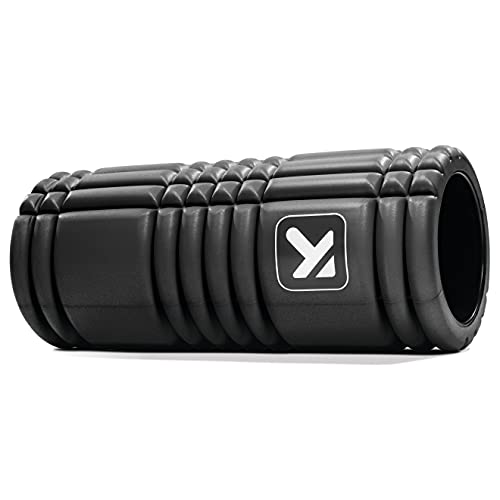 TriggerPoint Grid 1.0 (13")
|
Premium | Multi-density Distrodensity surface | Deep tissue release after band work | Check Price | ||
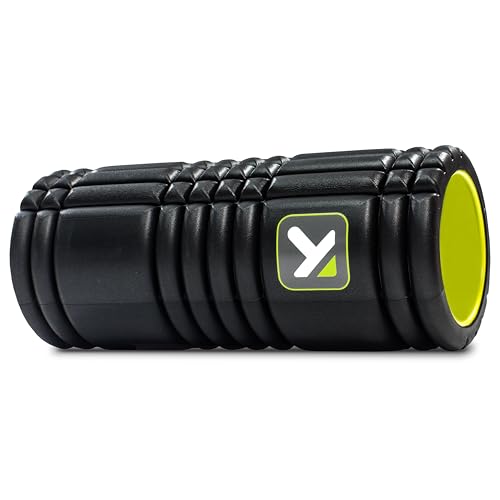 TriggerPoint Grid 1.0 (Import)
|
Premium | Three-dimensional surface for tissue aeration | Clinic or at-home targeted rolling | Check Price | ||
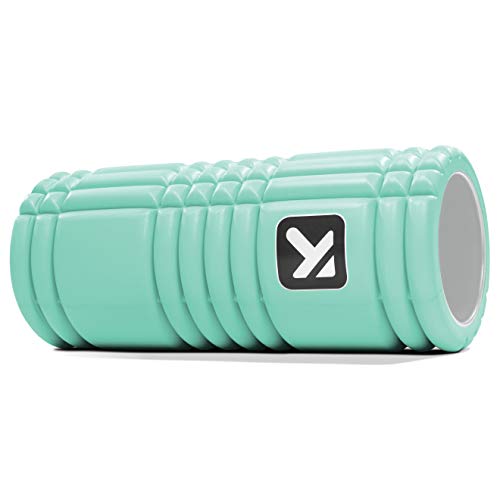 TriggerPoint Grid 1.0 (Value)
|
Mid-Range | Firm compression with travel-friendly size | Value-focused rehab users | Check Price |
1. TriggerPoint Grid 1.0 Foam Roller - 13" Multi-Density Massage Roller for Deep Tissue & Muscle Recovery - Relieves Tight, Sore Muscles & Kinks, Improves Mobility & Circulation - Targets Key Body Parts
This 13" multi-density foam roller uses a hollow core and EVA wrapping to deliver firmer, targeted compression that mimics hands-on massage. It solves the common rehab problem of tight soft tissue after strength work by improving circulation, easing knots, and maintaining shape under repeated clinical use.
Key Specs
- Hollow-core design for shape retention
- Proprietary multi-density Distrodensity surface
- Wrapped in durable EVA foam
- Size: 13" x 5.5"; Weight ≈ 1.32 lbs
Pros
- Sturdy construction holds up under repeated use
- Surface pattern targets knots and mimics manual therapy
- Compact 13" size is portable for clinic or travel
Cons
- Firmer feel may be intense for very sensitive users
- Premium-tier positioning (costlier than basic rollers)
Best For: Deep tissue release after band work
Check Latest Price on Amazon2. TriggerPoint Grid 1.0 Foam Roller - 13" Multi-Density Massage Roller for Deep Tissue & Muscle Recovery - Relieves Tight, Sore Muscles & Kinks, Improves Mobility & Circulation - Targets Key Body Parts
This imported Grid 1.0 variant emphasizes airflow and tissue aeration with its three-dimensional surface, which helps promote blood flow and reduce tightness after resistance-band rehab sessions. It addresses the problem of lingering upper-back and hip tension that band exercises can leave untreated.
Key Specs
- Three-dimensional multi-density surface
- EVA-foam wrapped, hollow core
- Optimized for both tight and soft tissue
- Designed for frequent, repeated use
Pros
- Engineered to mimic a therapist’s hands for targeted relief
- Durable construction maintains shape through repeated use
- Size and firmness balance portability with effectiveness
Cons
- May be too firm for people new to self-myofascial release
- Premium-tier positioning (higher cost than entry rollers)
Best For: Clinic or at-home targeted rolling
Check Latest Price on Amazon3. TriggerPoint Grid 1.0 Foam Roller - 13" Multi-Density Massage Roller for Deep Tissue & Muscle Recovery - Relieves Tight, Sore Muscles & Kinks, Improves Mobility & Circulation - Targets Key Body Parts
The Grid 1.0 Best Value edition delivers the same multi-density pattern and hollow-core stability in a mid-range package that many users find excellent for post-exercise recovery. It solves the problem of getting reliable deep-tissue compression without stepping up to the most expensive therapy rollers.
Key Specs
- Hollow core for shape retention
- Proprietary multi-density surface
- EVA foam wrap, easy to wipe clean
- Includes 1 foam roller; size 13" x 5.5"
Pros
- Good balance of performance and cost
- Effective for back and hip pain relief
- Portable size fits in gym bags
Cons
- Firmness may not suit very sensitive or post-op cases
- Some users debate long-term durability versus heavy clinic use
Best For: Value-focused rehab users
Check Latest Price on AmazonWhich One Should You Choose?
If budget is tight → pick the mid-range TriggerPoint Grid 1.0 (ASIN B095PTSW9F) for the best balance of performance and value. If you need portable, clinic-ready equipment → choose the compact imported Grid (ASIN B0040EGNIU) for its three-dimensional surface and airflow design. If premium quality and long-term shape retention matter most → go with the premium TriggerPoint Grid 1.0 (ASIN B095PSC4R6) for the most robust construction and multi-density patterning.
Best for Specific Scenarios
- Post-band strength sessions: TriggerPoint Grid 1.0 (B095PSC4R6) because its Distrodensity surface targets knots leftover from loaded movements.
- Clinic or travel use: TriggerPoint Grid 1.0 (B0040EGNIU) because the 13" size and three-dimensional pattern support quick, targeted sessions between appointments.
- Budget-conscious rehab plans: TriggerPoint Grid 1.0 (B095PTSW9F) because it offers durable, effective rolling at a mid-range tier suitable for daily at-home recovery.
Frequently Asked Questions
Do resistance bands or foam rollers help more with rehab?
They solve different parts of the problem: resistance bands let you control progressive load and restore strength and joint control, while foam rollers treat soft-tissue tightness, improve circulation, and speed mobility. For most rehab plans you’ll use both — bands for strength and rollers for tissue quality and range-of-motion work.
How often should I use a foam roller during a rehab program?
Short, frequent sessions are best: 5–10 minutes after band sessions or daily as tolerated. Use lighter pressure near inflamed or healing tissue and longer, firmer strokes on chronic tight spots. If you’re unsure, follow your clinician’s timeline, especially post-op.
Are textured rollers safe after injury or surgery?
Textured, firmer rollers can be effective but they aren’t appropriate immediately after many surgeries or acute injuries. Start with clinician-approved protocols: gentle mobility and softer tools first, progressing to firmer, patterned rollers as inflammation subsides and your provider clears you for deeper soft-tissue work.
How We Selected These Products
Our recommendations are based on data-driven analysis: we evaluated 13975+ products across 2484+ brands using a composite scoring system that weighs rating (40%), review volume (30%), price value (20%), and demand signals (10%). Every product is ranked by data, not opinions.
Last updated: May 21, 2026
As an Amazon Associate we earn from qualifying purchases at no extra cost to you. Full disclosure.
FitReliant Score is our editorial ranking based on a composite analysis of product quality, value, and verified customer sentiment. Click through to Amazon for current pricing, availability, and live customer reviews.