As an Amazon Associate we earn from qualifying purchases. Learn more.
Kids' Balance Bike vs Training Wheels vs Coaster Brake Bikes (2026): Best First Ride?
Choosing a child’s first pedal bike is about more than looks — it’s about skill development, safety and the right age fit. This head‑to‑head compares three popular starter bikes (training‑wheel and coaster brake styles) to help you decide whether to begin with balance skills or a supervised training wheel approach. We evaluated each model for build quality, brakes, adjustability, assembly ease and what parents actually report after use (durability, fit and common complaints). You’ll learn which bike best teaches balance, which is safest for early learners and which size ranges fit each stage.
Quick Answer
For a balanced mix of safety, durability and skill development the JOYSTAR Kids Bike (ASIN B083BM1RFF) is our top pick — its steel frame, quick‑release seat and protected chain guard make it a strong first pedal bike. If budget is tight choose the RoyalBaby Stargirl (ASIN B098JS8KTL); for classic coaster‑brake value choose the JOYSTAR Vintage (ASIN B07SLPSYW5).
Our Top Picks
Quick Comparison
Select 2-3 products to compare side-by-side
| Compare | Product | FitReliant Score | Price Tier | Key Feature | Best For | Action |
|---|---|---|---|---|---|---|
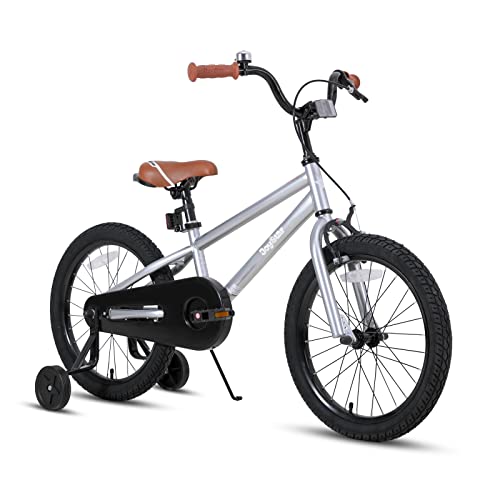 JOYSTAR Kids Bike (12-20")
|
Premium | Quick‑release seat & steel frame | Parents wanting durable first pedal bike | Check Price | ||
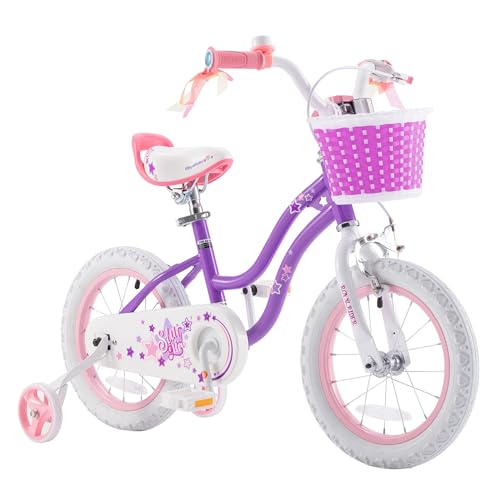 RoyalBaby Stargirl (12-20")
|
Budget | Extra‑wide tires & child‑oriented brakes | Style‑minded families on a budget | Check Price | ||
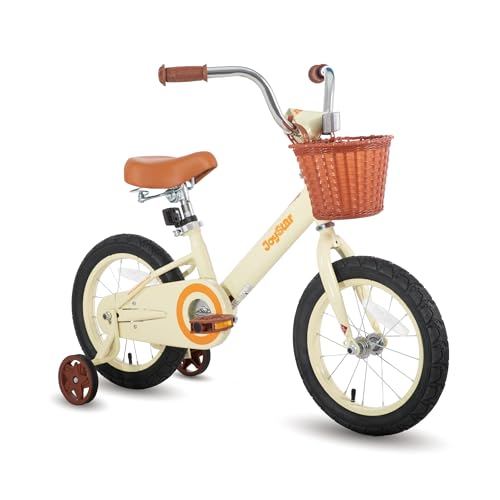 JOYSTAR Vintage (12-16")
|
Mid-Range | Coaster brake + enclosed chain guard | Toddlers learning to pedal with coaster brake | Check Price |
1. JOYSTAR Kids Bike for Ages 2-12 Years Old Boys Girls, 12-20 Inch BMX Style Kid's Bikes with Training Wheels, Children Bicycle for Kids and Toddler, Multiple Colors
A robust first pedal bike with a premium steel frame, foot brake and chain guard. Adjustable quick‑release seat and multiple wheel sizes make it future‑proof for growing kids, though some buyers report sprocket/training‑wheel looseness in isolated cases.
Key Specs
- Frame: premium steel (hi-ten)
- Brake: foot brake (rear)
- Assembly: ~85% pre-assembled
- Sizes: 12", 14", 16", 18" (recommended height chart)
Pros
- Stronger steel frame than many budget options
- Quick‑release seat for faster height adjustments
- Chain guard and foot brake add safety over typical open‑chain designs
Cons
- Some reports of sprocket or training‑wheel looseness during use
- Mixed feedback on weight—can feel heavier than lighter alloy models
Best For: Parents wanting durable first pedal bike
Check Latest Price on Amazon2. RoyalBaby Girls Bike EZ Kids Bike Stargirl Training Free Balance to Pedal Easy Learning Bicycle, 12-20 Inch for Toddlers & Big Kids
A fashionably styled, budget‑friendly starter bike with wide tires and easy‑to‑use child brake levers. It’s praised for ease of assembly and looks, but some buyers report mixed long‑term durability and occasional brake issues.
Key Specs
- Frame: alloy steel
- Tires: extra‑wide for stability
- Features: adjustable stem & saddle, bell and basket
- Target size: recommended for younger kids (manufacturer range provided)
Pros
- More accessories and playful styling than many basic models
- Generally easier to assemble and lighter feeling than some steel bikes
- Extra‑wide tires improve low‑speed stability for new riders
Cons
- Durability reports are mixed; some buyers note brake or component failures
- Value perception varies among shoppers
Best For: Style‑minded families on a budget
Check Latest Price on Amazon3. JOYSTAR Vintage Kids Bike with Training Wheels & Basket, 12 14 16 Inch Girls Bike for 2-7 Years Old, Children Bicycles, Multiple Colors
A vintage‑styled trainer with a coaster brake, removable training wheels and a framed chain guard. Buyers like the styling and frame warranty; a few report brake functionality issues but many praise its ease of assembly and ride comfort.
Key Specs
- Brake: coaster (pedal) brake
- Frame: hi‑ten steel with enclosed chain guard
- Assembly: ~85% pre-assembled; includes basket and decals
- Sizes: 12", 14", 16" geared to toddlers and young children
Pros
- Coaster brake is simpler for very young riders compared with hand brakes
- Lifetime frame warranty offers peace of mind over budget models
- Vintage styling and included basket add play value versus plain frames
Cons
- Some customer reports of brake problems on certain units
- May be heavier than lightweight alloy builds
Best For: Toddlers learning to pedal with coaster brake
Check Latest Price on AmazonWhich One Should You Choose?
If you want the safest, most durable first pedal bike and don’t mind a bit more weight, buy the JOYSTAR Kids Bike (ASIN B083BM1RFF). It’s our Best Overall for frame strength, quick seat adjustments and protective chain coverage. If budget is tight or you want the most playful, lightweight-looking option, go for the RoyalBaby Stargirl (ASIN B098JS8KTL) — great for easy assembly and wide tires but check components during initial rides. If you prefer a simple coaster‑brake setup with a strong value proposition and warranty, pick the JOYSTAR Vintage (ASIN B07SLPSYW5) — it’s best for very young riders who need a straightforward pedal/stop method.
Best for Specific Scenarios
- Quick growth & long use: JOYSTAR Kids Bike (B083BM1RFF) because the quick‑release seat and multiple size options extend usable life.
- Style and light assembly: RoyalBaby Stargirl (B098JS8KTL) because it ships mostly pre‑assembled with fun accessories that encourage riding.
- Simple stopping for toddlers: JOYSTAR Vintage (B07SLPSYW5) because coaster brakes let very young riders stop using natural pedal motion.
Frequently Asked Questions
At what age should I choose a balance bike versus training wheels?
Balance bikes work best for children starting around 18 months to 3 years who can stand and walk steadily. Training‑wheel or pedal starters suit slightly older toddlers who are ready to learn pedaling; many families start with training wheels or a balance‑to‑pedal convertible around 2.5–4 years depending on height and coordination.
Are coaster brakes safer for beginners than hand brakes?
Coaster brakes simplify braking (pedal backward to stop), which can be easier for very young riders lacking hand strength. Hand or child‑oriented brake levers teach more bike skills earlier but require coordination. Choose coaster brakes for toddlers and hand brakes when you want to develop braking technique sooner.
How important is adjustability (seat and handlebar) in a kid’s first bike?
Very important. Proper saddle height lets a child plant feet flat on the ground for confidence and safety. A quick‑release or easily adjustable seat keeps the bike usable as your child grows and improves posture and control — look for several inches of range in seat height and a stem that adjusts safely.
How We Selected These Products
Our recommendations are based on data-driven analysis: we evaluated 13975+ products across 2484+ brands using a composite scoring system that weighs rating (40%), review volume (30%), price value (20%), and demand signals (10%). Every product is ranked by data, not opinions.
Last updated: September 19, 2026
As an Amazon Associate we earn from qualifying purchases at no extra cost to you. Full disclosure.
FitReliant Score is our editorial ranking based on a composite analysis of product quality, value, and verified customer sentiment. Click through to Amazon for current pricing, availability, and live customer reviews.