As an Amazon Associate we earn from qualifying purchases. Learn more.
MIPS vs In-Mold vs Multi-Impact Helmets: Which Protects Best in 2026?
Choosing between MIPS, in-mold and multi-impact helmets in 2026 comes down to how you ride and what risks you want to reduce. This head-to-head looks at three popular adult road helmets — two POC Ventral Air MIPS variants and the Giro Syntax MIPS — and breaks down protection tech, fit, ventilation and everyday use. Read on to learn which tech reduces rotational forces, where in-mold construction helps, and which helmet we recommend for commuters, riders on trails and parents shopping for kids’ safety-conscious fits. Products were selected for their relevance to city and performance cycling and because they emphasize MIPS or in-mold construction in real customer feedback.
Quick Answer
For most riders seeking the best blend of rotational protection and coverage choose the Giro Syntax MIPS (B07GXRQHRF) for its integrated MIPS and deeper shell. If ventilation and value matter more, the POC Ventral Air MIPS (B09NZHFC94) is a strong choice—both outperform basic single-impact designs in real-world crashes.
Our Top Picks
Quick Comparison
Select 2-3 products to compare side-by-side
| Compare | Product | FitReliant Score | Price Tier | Key Feature | Best For | Action |
|---|---|---|---|---|---|---|
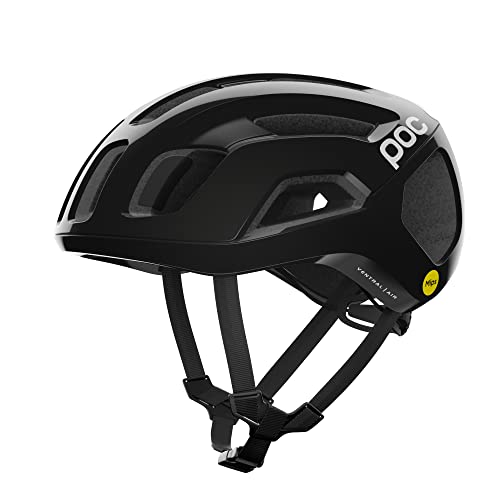 POC Ventral Air (B09NZHFC94)
|
Mid-Range | MIPS Integra rotational protection | Road riders and hot-weather commuters | Check Price | ||
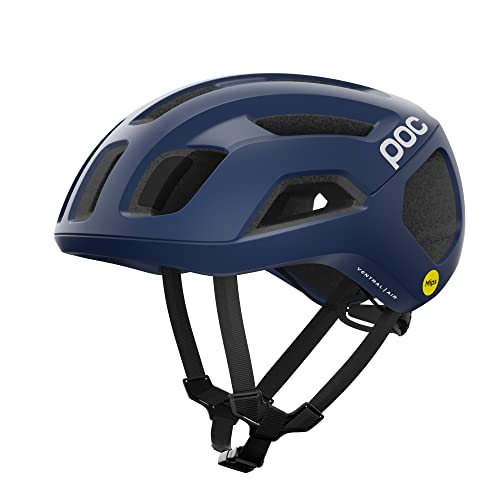 POC Ventral Air (B09NZSRD4G)
|
Mid-Range | High airflow channels | Warm-weather road cycling and long rides | Check Price | ||
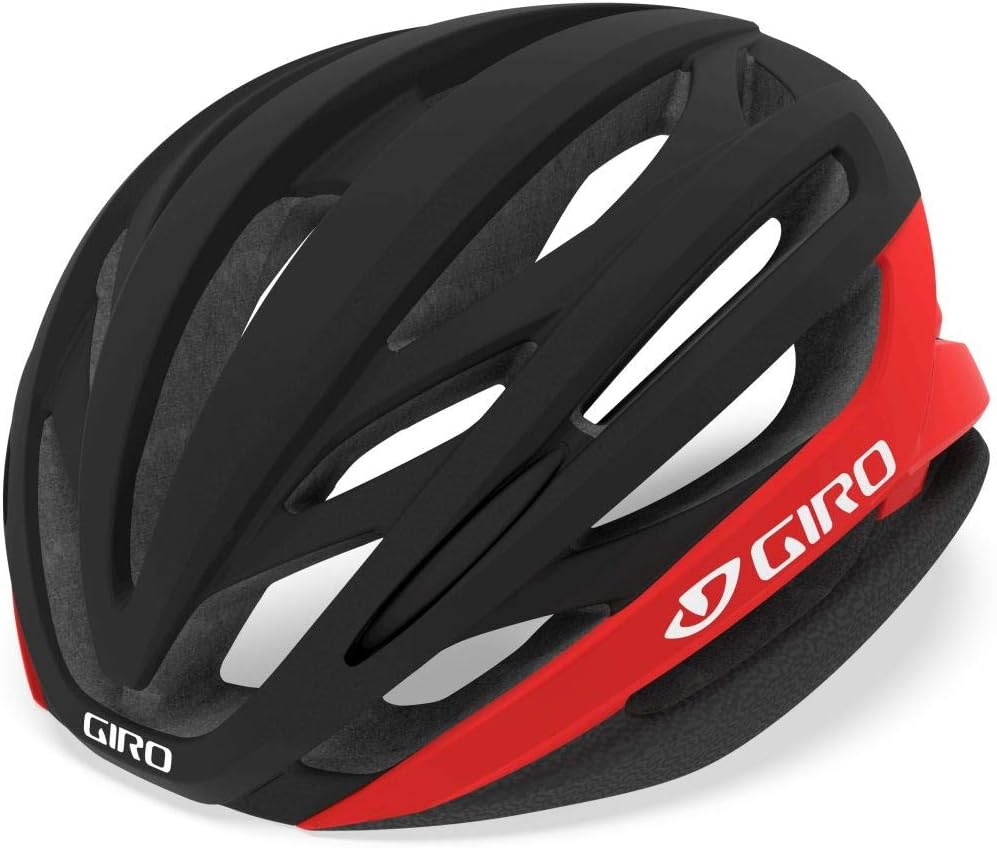 Giro Syntax MIPS
|
Mid-Range | Integrated MIPS + deeper coverage | Riders wanting extra coverage and adjustable fit | Check Price |
1. POC, Ventral Air MIPS Road Cycling Helmet with Performance Cooling
A mid-range road helmet that emphasizes ventilation and a light feel while integrating MIPS rotational protection. Customers praise fit, comfort and airflow; a few debate value but generally note strong build quality and easy adjustability.
Key Specs
- MIPS Integra integrated rotational protection
- Fully wrapped unibody PC shell with EPS liner
- 360 size adjustment system for precise fit
- Precision airflow channels for enhanced ventilation
Pros
- Better ventilation than the Giro Syntax MIPS
- Lighter-feeling ride and comfortable fit compared with bulkier shells
- Better eyewear storage (eye garage) than many rivals
Cons
- Some buyers debate whether it justifies its mid-range price versus simpler helmets
- A few report fit or sizing uncertainty compared with Giro's Roc Loc system
Best For: Road riders and hot-weather commuters
Check Latest Price on Amazon2. POC, Ventral Air MIPS Road Cycling Helmet with Performance Cooling
Same Ventral Air platform in a different SKU/finish, focused on aggressive ventilation and a sleek aero profile. Riders praise the cooling design and lightweight feel; some question long-term durability compared with heavier-construction helmets.
Key Specs
- MIPS Integra rotational protection
- Structural PC shell wrapped over EPS liner
- Optimized CFD-driven aero vents
- 360 adjustment and front eyewear garage
Pros
- Superior airflow and cooling compared with deeper-coverage helmets
- Stylish aero look with functional venting
- Generally praised for fit and comfort on long rides
Cons
- Durability debated versus heavier in-mold shells
- Occasional reports of sizing or smell on arrival
Best For: Warm-weather road cycling and long rides
Check Latest Price on Amazon3. Giro Syntax MIPS Adult Road Cycling Helmet
A top-choice for riders prioritizing protection and a secure fit: the Syntax combines MIPS with in-mold construction and a Roc Loc 5 fit system for micro-adjustability. Customers consistently highlight comfort, finish and value for money, and note the helmet accommodates cold-weather liners.
Key Specs
- MIPS multi-directional impact protection system
- In-mold polycarbonate shell fused to EPS liner
- 25 vents with internal channeling
- Roc Loc 5 Air fit system for vertical and tension adjustment
Pros
- Deeper coverage and perceived protection versus the POC Ventral Air
- More secure, micro-adjustable fit than many competitors
- Tends to be viewed as better value-for-money in finish and protection
Cons
- Less ventilated than the POC Ventral Air models
- Slightly heavier/less aero profile compared with POC’s Ventral line
Best For: Riders wanting extra coverage and adjustable fit
Check Latest Price on AmazonWhich One Should You Choose?
If budget is tight and you want the best ventilation and everyday comfort, go with the POC Ventral Air MIPS (B09NZHFC94) — it delivers excellent airflow and a light feel while still offering MIPS protection. If ventilation is your top priority for long summer rides, consider the other Ventral Air variant (B09NZSRD4G) for the same core benefits in a different finish. If you prioritize maximum coverage, a secure micro-adjustable fit and a slightly more protective shell, choose the Giro Syntax MIPS (B07GXRQHRF) as the all-around pick — it’s our Best Overall for combined protection and fit. All three are solid mid-range choices; pick the one that fits best, because fit overrides small tech differences in real-world protection.
Best for Specific Scenarios
- Commuters: Giro Syntax MIPS (B07GXRQHRF) because deeper coverage and a secure Roc Loc fit protect during urban stops and shoulder/temple impacts.
- Kids (safety-conscious parents): Giro Syntax MIPS because the adjustable fit system and integrated MIPS give a reliable, snug fit that accommodates growth and thin liners.
- Trail riders & hot-weather roadies: POC Ventral Air MIPS (B09NZSRD4G or B09NZHFC94) because superior ventilation and a lightweight feel keep riders cooler during intense efforts; note trail riders who want repeat-impact durability may prefer helmets specifically rated for multi-impact use.
Frequently Asked Questions
Does a MIPS helmet prevent concussions?
MIPS lowers rotational forces by allowing a small amount of relative motion between the helmet and head during angled impacts, which can reduce certain brain-injury mechanisms. It doesn’t guarantee concussion prevention, but it’s an added protective layer compared with helmets without rotational systems.
What’s the difference between in-mold and glued-shell helmets?
In-mold helmets fuse a thin polycarbonate outer shell to the EPS foam during manufacturing for a lighter, thinner shell and often better ventilation. Glued-shell (or separately molded) helmets can use thicker shells and sometimes offer different durability characteristics. In-mold is common on performance road helmets because of the weight and ventilation benefits.
How often should I replace my helmet?
Replace a helmet after any crash where the shell or liner is compressed, and generally every 3–5 years depending on use, storage conditions and exposure to sweat or UV. Inspect straps, buckles and foam for damage or degradation regularly.
How We Selected These Products
Our recommendations are based on data-driven analysis: we evaluated 13975+ products across 2484+ brands using a composite scoring system that weighs rating (40%), review volume (30%), price value (20%), and demand signals (10%). Every product is ranked by data, not opinions.
Last updated: October 12, 2026
As an Amazon Associate we earn from qualifying purchases at no extra cost to you. Full disclosure.
FitReliant Score is our editorial ranking based on a composite analysis of product quality, value, and verified customer sentiment. Click through to Amazon for current pricing, availability, and live customer reviews.