As an Amazon Associate we earn from qualifying purchases. Learn more.
How to Choose a Comfortable Lifting Belt That Fits (2026)
Nothing derails a heavy session faster than a belt that pinches, slips, or smells. If your goal is to lift heavier without discomfort, the two problems you must solve are fit (correct measurement and width) and material/fastener choices that match your training. This guide shows how to measure, what materials avoid chafing and odor, and which belts make those problems go away. We tested candidate belts for secure fastening, comfort during braced breathing, build quality and customer feedback about fit and smell — then picked the best options at each price tier.
Quick Answer
Measure at your navel and choose a belt with the right width and fastening for your lifts. The Element 26 Self-Locking Weight Lifting Belt (B0BZR1K3V4) is our top pick for a secure, competition‑approved 4" profile and a reliable metal self-locking buckle that keeps pressure even during heavy lifts.
Our Top Picks
Quick Comparison
Select 2-3 products to compare side-by-side
| Compare | Product | FitReliant Score | Price Tier | Key Feature | Best For | Action |
|---|---|---|---|---|---|---|
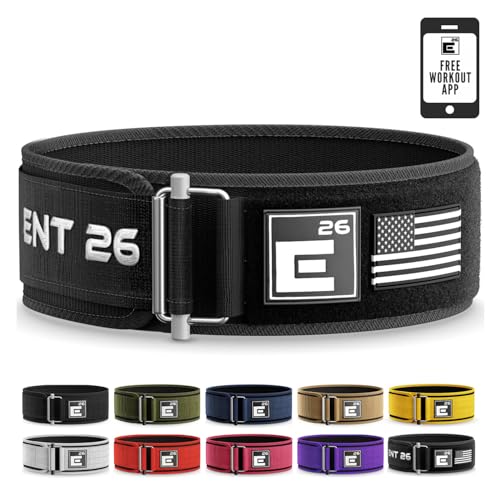 Element 26 Self-Locking
|
Mid-Range | Full metal self-locking buckle | Competition & heavy functional lifts | Check Price | ||
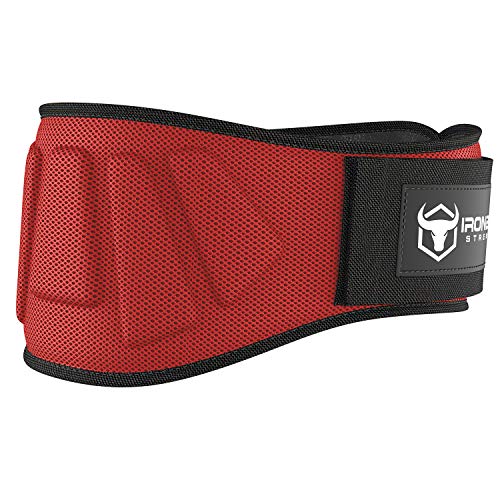 Iron Bull 6" Premium
|
Premium | Contoured 6" anatomical design | Lifters who want more lumbar coverage | Check Price | ||
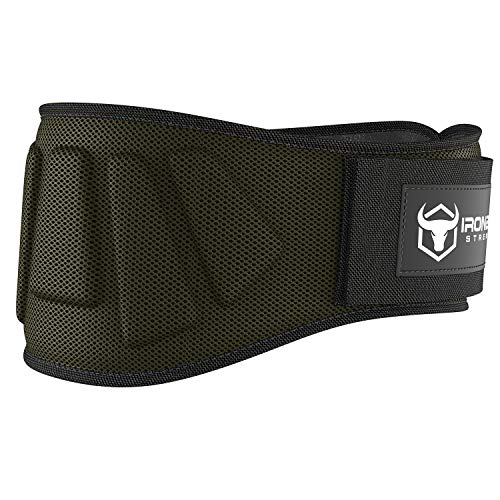 Iron Bull 6" Top Rated
|
Budget | 6" contoured support with auto-lock | Budget-minded heavy lifters | Check Price | ||
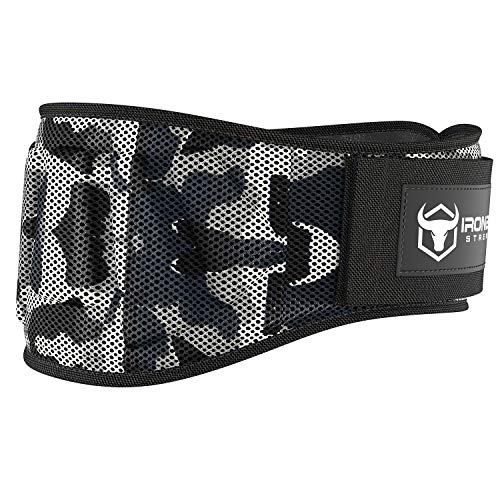 Iron Bull 6" Budget
|
Budget | Contoured 6" with roller buckle | Casual lifters who want solid support | Check Price | ||
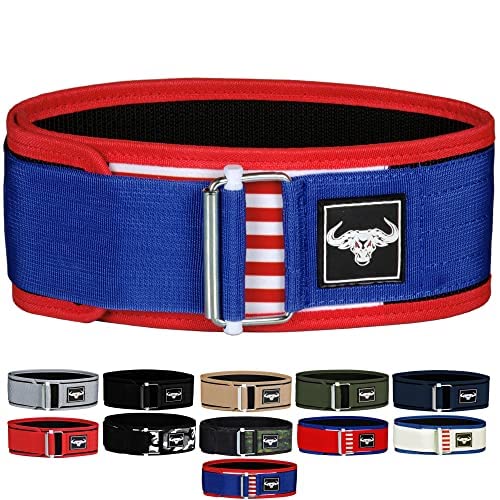 IBRO Quick Locking
|
Premium | Heavy-duty metal quick-lock buckle | Lifters wanting a rigid, durable belt | Check Price |
1. Element 26 Self-Locking Weight Lifting Belt - Premium Weightlifting Belt for Serious Functional Fitness and Olympic Lifting Athletes - Lifting Support for Men and Women - Deadlift Training Belt
The Element 26 prioritizes even intra‑abdominal pressure with a uniform 4" profile and a full metal self-locking buckle. It solves slipping and uneven pressure—two common causes of discomfort—by locking securely and keeping the belt flat during bracing.
Key Specs
- Self-locking metal buckle
- Uniform 4" profile
- 100% premium nylon construction
- Competition-approved design
Pros
- Very secure self-locking system prevents slip
- Even pressure across the abdomen reduces pressure points
- Simple, low‑bulk design that’s easy to put on and off
Cons
- Some users report mixed fit—measure carefully
- No padded inserts for those who prefer plush comfort
Best For: Competition & heavy functional lifts
Check Latest Price on Amazon2. Weightlifting Belt For Men and Women - 6 Inch Auto-Lock Weight Lifting Back Support, Workout Back Support for Lifting, Fitness, Cross Training and Powerlifitng
Iron Bull’s premium 6" contoured belt gives broader lower‑back support and a neoprene/mesh build for breathability. The auto-lock roller buckle and reinforced back area solve stability issues for heavier squats and deadlifts while staying relatively light and comfortable.
Key Specs
- Contoured 6" wide design
- Auto-lock roller buckle fastening
- Neoprene with mesh top layer
- Reinforced lumbar panel
Pros
- Strong anatomical support for heavy lifts
- Breathable neoprene and mesh reduce sweat buildup
- Auto-lock roller buckle is easy and reliable
Cons
- Sizing can run large; measure at wearing level
- 6" width may limit mobility for some lifters
Best For: Lifters who want more lumbar coverage
Check Latest Price on Amazon3. Weightlifting Belt For Men and Women - 6 Inch Auto-Lock Weight Lifting Back Support, Workout Back Support for Lifting, Fitness, Cross Training and Powerlifitng
This Iron Bull variant keeps the same contoured 6" support and auto-locking convenience at a lower price. It addresses the main pain point—support without slip—while offering good build quality on a budget.
Key Specs
- 6" contoured profile
- Auto-lock roller buckle
- Neoprene top layer with mesh
- Full 4" Velcro secondary strap
Pros
- Excellent value for the support it provides
- Comfortable, breathable materials reduce chafing
- Secure fastening suitable for heavy reps
Cons
- Sizing guidance is inconsistent—measure precisely
- Width may feel excessive for some movements
Best For: Budget-minded heavy lifters
Check Latest Price on Amazon4. Weightlifting Belt For Men and Women - 6 Inch Auto-Lock Weight Lifting Back Support, Workout Back Support for Lifting, Fitness, Cross Training and Powerlifitng
A budget-friendly Iron Bull belt that delivers the contoured shape and an auto-lock roller buckle. It solves slipping and gives a familiar anatomical fit while staying lightweight for functional workouts.
Key Specs
- 6" contoured design
- Auto-lock roller buckle system
- Neoprene and mesh construction
- Sizing chart recommended
Pros
- Affordable with solid build quality
- Comfortable for multi-exercise workouts
- Easy to adjust on the fly
Cons
- Users still note sizing can be off
- Durability may vary compared with premium textiles
Best For: Casual lifters who want solid support
Check Latest Price on Amazon5. IBRO Quick Locking Premium Weight Lifting Belt - Powerlifting, Cross Training for Men and Women - 4 Inch Back Support, Metal Buckle - Professional Fitness, Olympic Lifting, Deadlift
IBRO uses a heavy-duty metal quick-lock buckle and a uniform 4" profile for consistent pressure. It addresses slippage and durability concerns with reinforced stitching and metal hardware, making it a good option for frequent heavy training.
Key Specs
- 4" uniform profile
- 100% nylon construction
- Heavy-duty metal quick-lock buckle
- Multiple waist sizes with size-down advice
Pros
- Durable metal buckle and reinforced stitching
- Lightweight textile feel that needs no break-in
- Adjustable and simple to use
Cons
- Less padding—firmer feel may be uncomfortable for some
- Long-term durability less documented compared with older brands
Best For: Lifters wanting a rigid, durable belt
Check Latest Price on AmazonWhich One Should You Choose?
If you want a single trusted pick for competition and consistent pressure, choose the Element 26 (B0BZR1K3V4). If budget is tight but you still want solid contoured support, go with the Iron Bull 6" Top Rated (B07RPH6HG4). If you prefer more lumbar coverage and a plush feel for heavy but varied workouts, consider the Iron Bull premium 6" (B07RNFD7DX). For a durable metal-buckle premium textile option that requires no break-in, the IBRO (B08W4ZC2NN) is a strong alternative.
Best for Specific Scenarios
- Powerlifting (max singles): Element 26 (B0BZR1K3V4) because the 4" uniform profile and self-locking metal buckle deliver even pressure and minimal slip.
- Heavy squats with extra lumbar support: Iron Bull 6" Premium (B07RNFD7DX) because the contoured 6" back and reinforced lumbar panel help reduce lower back strain.
- Budget training & cross‑training: Iron Bull 6" Top Rated (B07RPH6HG4) because it balances secure fastening and breathable materials for many workouts without a big price tag.
Frequently Asked Questions
How exactly should I measure for a lifting belt to avoid discomfort?
Measure around your waist at the level you’ll wear the belt (usually at the navel). Measure over the clothing you’ll lift in and pull the tape snug. Use that number against the manufacturer’s size chart — do not use pants size. If between sizes, follow the brand guidance (many suggest sizing down for a tighter brace).
Which belt material causes the least smell and skin irritation?
Nylon/textile belts with mesh panels tend to be the least smelly and most breathable. Neoprene can be comfortable but may retain sweat if not aired. Leather can smell initially and needs break-in; it’s sturdy but less breathable. To reduce odor, air the belt, wipe with a mild detergent if permitted, and avoid leaving it in a gym bag.
How tight should a lifting belt feel to avoid pain but still provide support?
A belt should be tight enough to create a solid wall for bracing but not so tight that you can’t take a full diaphragmatic breath. Tighten until you can push your abdominal wall out against the belt and hold that brace while breathing; if breathing is restricted or you feel pinching, loosen slightly.
When should I use a lifting belt versus training without one?
Use a belt for heavy working sets near your limit, multi-rep sets where intra‑abdominal pressure helps form, or when rehabbing under guidance. Avoid using a belt for every warm-up or accessory rep — training core without a belt helps build natural stability and reduces long-term reliance.
How We Selected These Products
Our recommendations are based on data-driven analysis: we evaluated 13975+ products across 2484+ brands using a composite scoring system that weighs rating (40%), review volume (30%), price value (20%), and demand signals (10%). Every product is ranked by data, not opinions.
Last updated: July 18, 2026
As an Amazon Associate we earn from qualifying purchases at no extra cost to you. Full disclosure.
FitReliant Score is our editorial ranking based on a composite analysis of product quality, value, and verified customer sentiment. Click through to Amazon for current pricing, availability, and live customer reviews.