As an Amazon Associate we earn from qualifying purchases. Learn more.
How to Fit Kids' Bike Helmets for Growing Heads (2026 Tips)
Kids' heads change fast — one season a helmet feels snug, the next it slips. Parents need helmets that adapt to growth spurts without sacrificing safety or comfort. This guide focuses on adjustable systems (rear dials, removable pads, chin-strap tuning) and helmet choices that stretch across age ranges. We reviewed several mid-range, multi-size kids' helmets and prioritized how each model solves the core problem: maintaining a secure, comfortable fit as a child grows.
Quick Answer
Adjustable systems — a rear dial, interchangeable padding and chin-strap micro-adjusters — are the fastest way to keep a helmet fitting through growth spurts. Our top pick, Kids Toddler Bike Helmet (ASIN B0DMSMJSRR), combines a rear dial, two pad thicknesses and three sizes so you can tune the fit as your child grows.
Our Top Picks
Quick Comparison
Select 2-3 products to compare side-by-side
| Compare | Product | FitReliant Score | Price Tier | Key Feature | Best For | Action |
|---|---|---|---|---|---|---|
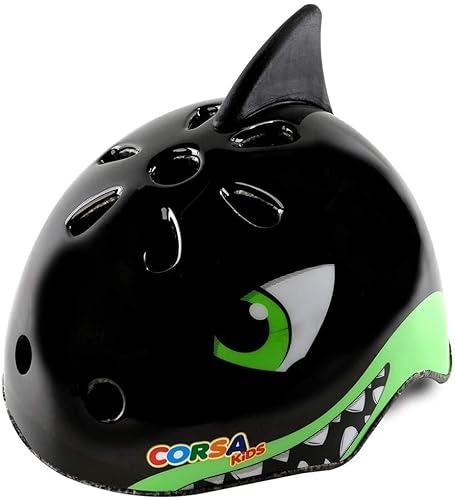 Anharluka Adjustable Helmet
|
Mid-Range | Rear dial + two pad thicknesses | Growing kids who need frequent fit changes | Check Price | ||
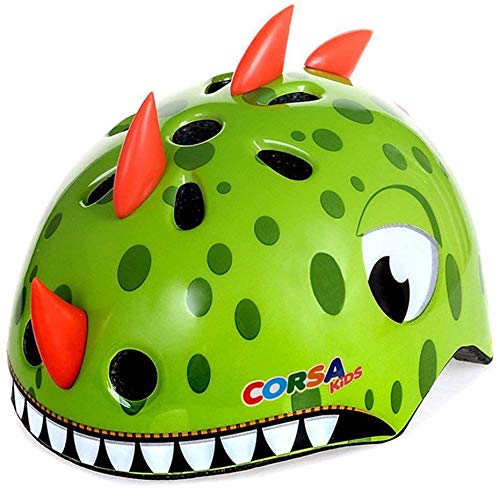 Anharluka Multi-Sport Helmet
|
Mid-Range | Interchangeable pads + dial | Budget-conscious parents who want adjustability | Check Price | ||
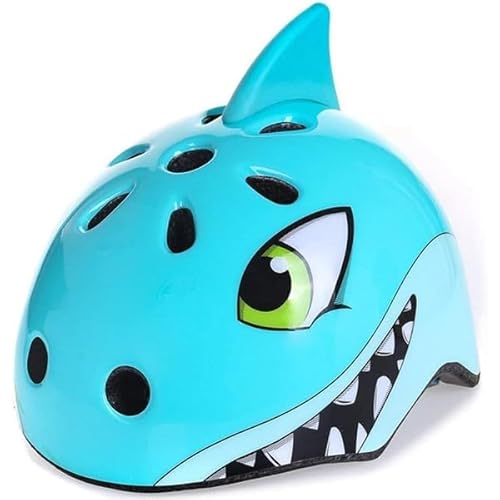
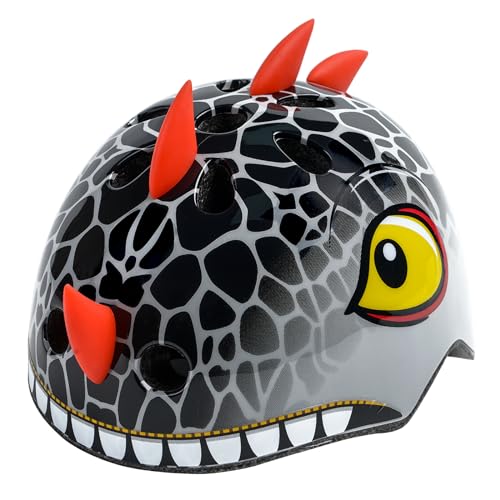 Anharluka Dino/Shark Helmet
|
Mid-Range | Fun designs + adjustable fit | Young children who resist wearing helmets | Check Price | ||
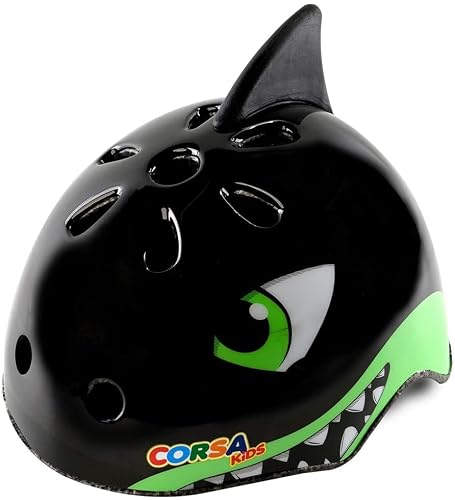 Anharluka Ventilated Helmet
|
Mid-Range | 11 vents for airflow | Active kids who overheat easily | Check Price | ||
 Anharluka Washable Pad Helmet
|
Mid-Range | Removable washable padding | Parents who prioritize hygiene and fit | Check Price |
1. Kids Toddler Bike Helmet, Adjustable and Multi-Sport for Child Boys and Girls, 2 Sizes
This Anharluka model pairs a rear micro-adjust dial with two sets of removable pads (7mm and 10mm), making stepwise fit changes simple as a preschooler grows. The extended coverage shell and 11 vents aim to balance safety and comfort for cycling, scooters and other activities.
Key Specs
- CPSC safety compliant for ages 1+ (extended head coverage)
- PC outer shell with high-density EPS foam
- Adjustable rear dial and chin straps
- 11 airflow vents; 2 sets of removable pads (7mm and 10mm)
- Sizes: X-Small 44–50 cm, Small 50–54 cm, Medium 54–58 cm
Pros
- Adjustable rear dial makes on-the-fly size tuning easy
- Interchangeable padding lets you fine-tune fit as head grows
- Extended coverage and ventilation balance protection and comfort
Cons
- Some users report inconsistent sizing — may run large for certain kids
- A few customers noted durability concerns over long-term use
Best For: Growing kids who need frequent fit changes
Check Latest Price on Amazon2. Kids Toddler Bike Helmet, Adjustable and Multi-Sport for Child Boys and Girls, 2 Sizes
This version offers the same adjustable rear dial and two pad thicknesses to help follow growth milestones without replacing the helmet. It’s positioned as a multi-sport option (cycling, skating, scooters) and focuses on functional adjustability rather than premium extras.
Key Specs
- CPSC compliant for ages 1+
- Rugged PC outer shell with high-density EPS foam
- Rear dial and chin strap adjustment
- 11 vents for airflow; 2 sets of interchangeable pads
- Sizes: X-Small 44–50 cm, Small 50–54 cm, Medium 54–58 cm
Pros
- Good value for adjustable features
- Practical multi-sport design for consistent use
- Easy to adjust straps and dial for daily tuning
Cons
- Reports of mixed sturdiness — some units less durable
- Sizing can appear large on smaller toddlers
Best For: Budget-conscious parents who want adjustability
Check Latest Price on Amazon3. Kids Toddler Bike Helmet, Adjustable and Multi-Sport for Child Boys and Girls, 2 Sizes
The playful dinosaur/shark styling helps encourage helmet acceptance while offering the same practical fit system — rear dial, chin straps and two pad thicknesses. It addresses the problem of kids refusing helmets by combining fit adjustment with kid-friendly aesthetics.
Key Specs
- Complies with U.S. CPSC safety standard (ages 1+)
- PC shell with EPS foam impact liner
- Adjustable rear dial; chin strap micro-adjust
- 11 vents; removable washable interior padding (7mm, 10mm)
- Size range: X-Small through Medium (44–58 cm depending on size)
Pros
- Kid-friendly look increases wear compliance
- Removable washable pads for hygiene during extended use
- Effective adjustable system for gradual growth
Cons
- Some parents found the helmet too big for very small toddlers
- A minority reported durability problems over time
Best For: Young children who resist wearing helmets
Check Latest Price on Amazon4. Kids Toddler Bike Helmet, Adjustable and Multi-Sport for Child Boys and Girls, 2 Sizes
This variant emphasizes ventilation (11 vents) and the same adjustable fit features found across the line. Good for warm-weather use and multi-activity wear, it keeps kids comfortable while you fine-tune fit with pads and the rear dial.
Key Specs
- CPSC safety compliance for ages 1+
- PC outer shell and EPS foam liner
- Rear-adjust dial; adjustable chin straps
- 11 airflow vents; two padding thickness options
- Available in X-Small, Small and Medium sizes
Pros
- Better airflow for sweaty riders
- Removable pads improve comfort and hygiene
- Consistent adjustable fit features across sizes
Cons
- Durability feedback varies by user
- Sizing may feel generous on smaller heads
Best For: Active kids who overheat easily
Check Latest Price on Amazon5. Kids Toddler Bike Helmet, Adjustable and Multi-Sport for Child Boys and Girls, 2 Sizes
Same core construction — PC shell, EPS foam and a rear dial — but highlighted by removable, washable interior pads to keep the helmet fresh as kids sweat and play. It’s a practical pick if you plan to use the helmet daily through several growth stages.
Key Specs
- Meets U.S. CPSC helmet safety standard (ages 1+)
- PC exterior shell with high-density EPS foam
- Rear dial adjustment; chin straps
- 11 vents; 2 pad thickness options (7mm, 10mm)
- Size options spanning toddler to older kids
Pros
- Washable pads keep the helmet smelling fresher longer
- Adjustable system supports a longer usable lifespan
- Simple, practical feature set for everyday use
Cons
- Some customers reported smell issues on first use
- Varying reports on long-term sturdiness
Best For: Parents who prioritize hygiene and fit
Check Latest Price on AmazonWhich One Should You Choose?
If budget is tight → choose the Anharluka model listed as Best Budget (ASIN B0B774JBBR) because it delivers the essential adjustable dial and interchangeable pads without premium extras. If your child needs a helmet that encourages wear (won’t fight putting it on) → choose the fun-design Anharluka (ASIN B0CR9QHW4Z) for kid-friendly styling plus the same growth-friendly adjustability. If you want the best balance of adjustability, ventilation and hygiene features → choose the Best Overall Anharluka (ASIN B0DMSMJSRR) for its rear dial, two pad thicknesses and extended coverage design.
Best for Specific Scenarios
- Rapid toddler growth (ages 1–3): Anharluka X-Small variants (ASINs B0DMSMJSRR or B0B774JBBR) because the dial and thin-to-thick pads let you tune fit between size milestones.
- Hot-weather play: Anharluka Ventilated Helmet (ASIN B0B7B29C62) because 11 vents and breathable pads reduce overheating and improve compliance.
- Picky children who resist helmets: Anharluka Dino/Shark design (ASIN B0CR9QHW4Z) because playful styling plus a comfortable adjustable fit increases the chance they’ll keep it on.
Frequently Asked Questions
How often should I re-check a helmet fit as my child grows?
Check fit every 2–3 weeks during rapid growth phases (infancy through early school years) and before every ride if the child is still in a fast growth stage. Look for looseness, sliding forward/back, or a helmet that can be rotated more than an inch — those mean it’s time to tighten the dial, add pad thickness, or move to the next size.
Can adjustable pads and a dial really replace buying a new helmet?
They extend usable life by letting you fine-tune fit through minor growth. Interchangeable pads and a rear dial can bridge several months to a year of growth depending on the child. However, once the head circumference outgrows the helmet’s maximum size range or the shell is damaged, replace the helmet.
When should I replace a helmet after a crash?
Replace any helmet after a significant impact — even if it looks fine — because the EPS liner can be compromised. Small surface scuffs may be okay, but after a crash the helmet should be replaced to ensure full protective performance.
How We Selected These Products
Our recommendations are based on data-driven analysis: we evaluated 13975+ products across 2484+ brands using a composite scoring system that weighs rating (40%), review volume (30%), price value (20%), and demand signals (10%). Every product is ranked by data, not opinions.
Last updated: August 13, 2026
As an Amazon Associate we earn from qualifying purchases at no extra cost to you. Full disclosure.
FitReliant Score is our editorial ranking based on a composite analysis of product quality, value, and verified customer sentiment. Click through to Amazon for current pricing, availability, and live customer reviews.