As an Amazon Associate we earn from qualifying purchases. Learn more.
Adjustable vs Fixed vs Quick-Release Weighted Vests: Best Choice for Trail Rucking (2026 Comparison)
If you're rucking on hot summer trails, comfort, fit and practical features (breathability, stability, pockets) matter as much as total load. This head-to-head looks at three popular adjustable vests chosen for durability, adjustability and trail practicality based on product specs and common customer feedback. You'll learn how each vest handles heat, shoulder comfort, load stability and easy on-the-trail use, plus a clear recommendation for budget, comfort, and overall performance. Products were ranked using build materials, weight system, customer notes on fit and common trail-focused features like pockets and non-slip design.
Quick Answer
For long summer trail rucks the Cross101 20LBS - 140LBS Adjustable Weighted Vest (ASIN B00LH7Z942) is the best overall: it delivers even weight distribution, modular iron-ore plates and a secure one-piece fit. If you need a low-cost starter vest pick the Cross101 budget model (ASIN B01IS9AF5Y); for a lighter, more comfortable neoprene option choose the ExtreSpo adjustable vest (ASIN B0DBTFFZ32).
Our Top Picks
Quick Comparison
Select 2-3 products to compare side-by-side
| Compare | Product | FitReliant Score | Price Tier | Key Feature | Best For | Action |
|---|---|---|---|---|---|---|
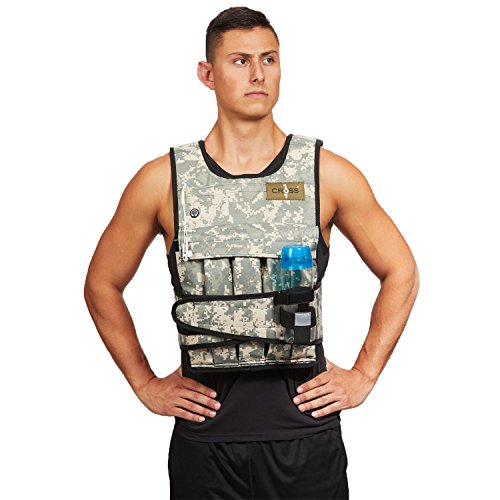 CROSS101 40LB Adjustable
|
Mid-Range | 10 x 4lb iron-ore weights (adjustable) | Serious ruckers who want stability | Check Price | ||
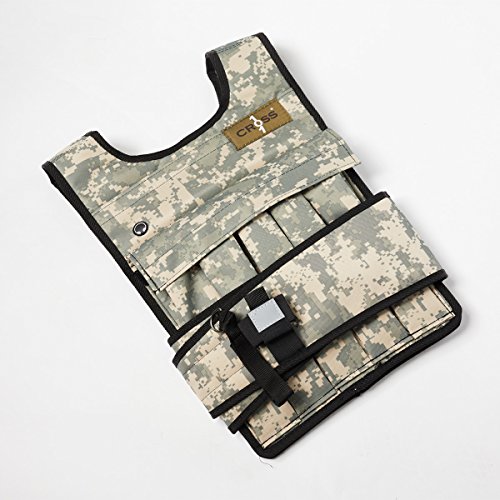 CROSS101 Budget 40LB
|
Budget | Weights included; shoulder pads option | New ruckers on a tight budget | Check Price | ||
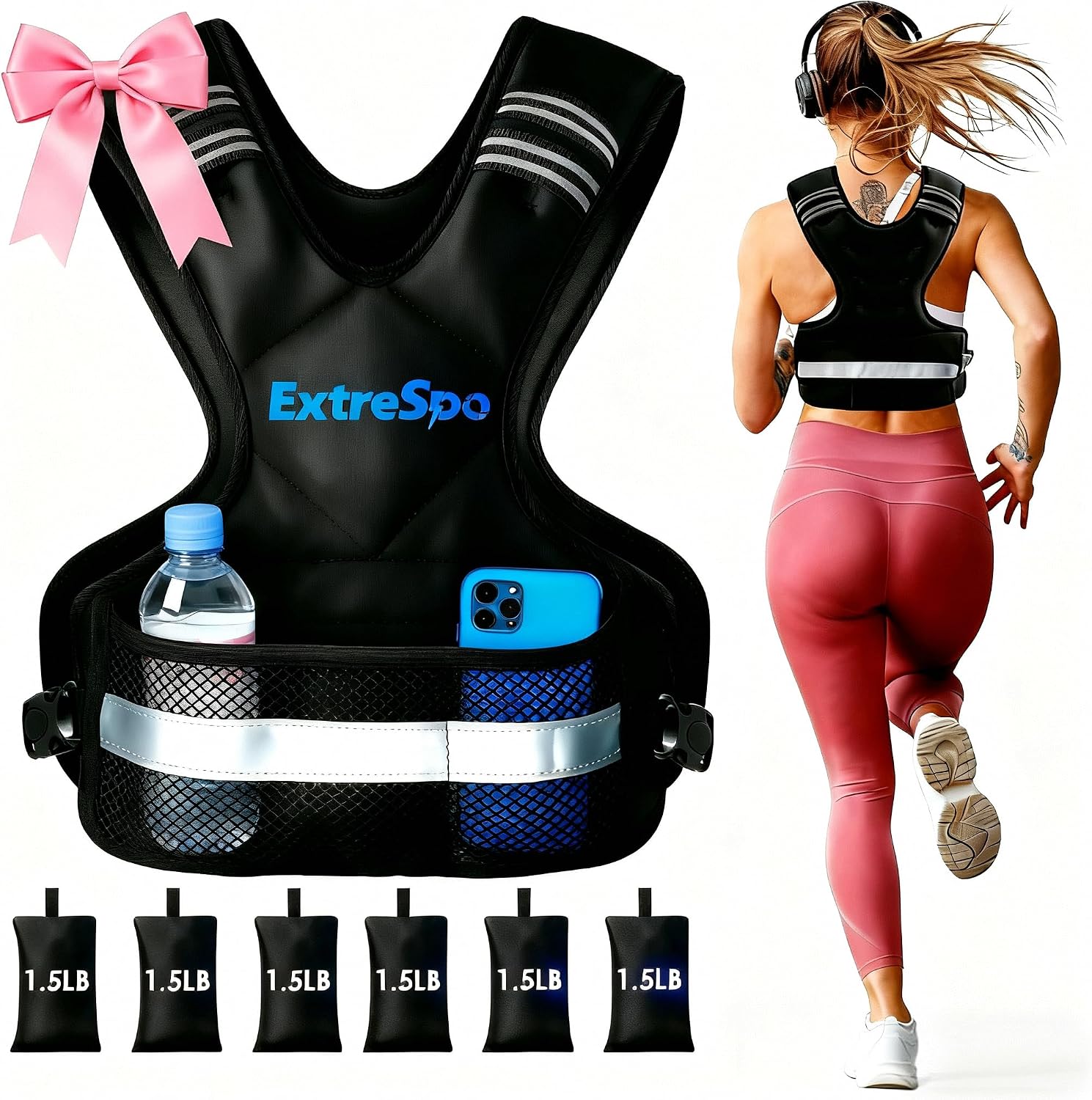 ExtreSpo Neoprene Vest
|
Mid-Range | Neoprene shell with removable sand weights | Comfort-first hikers and night walkers | Check Price |
1. 20LBS - 140LBS Adjustable Weighted Vest With Shoulder Pads Option for Men and Women
A well-engineered adjustable vest that uses iron-ore plates in 4 lb increments for predictable load and very secure one-piece fit. Customers praise its even weight distribution and durability, making it a strong choice for longer hikes where load stability matters most.
Key Specs
- Weights: 10 x 4 lb iron-ore plates (up to 40 lb)
- Adjustability: 4 lb increments via removable plates
- Design: One-piece vest with attached belt for secure fit
- Dimensions: ~13" width, compact 15" length
Pros
- More secure, one-piece fit than budget strap-style vests
- More consistent weight increments (4 lb) than sand-bag styles
- Stronger build and durability compared with lower-cost options
Cons
- Less breathable than slim neoprene designs on hot days
- Some users report shoulder pressure with heavier loads
Best For: Serious ruckers who want stability
Check Latest Price on Amazon2. 20LBS - 140LBS Adjustable Weighted Vest With Shoulder Pads Option for Men and Women
A compact, value-focused vest with included weights and camouflage styling. It offers strong value for the price and generally good weight distribution for general training, though higher-impact trail use can reveal bounce and shoulder discomfort for some users.
Key Specs
- Weights included and removable (configurable load)
- Compact dimensions: ~15" length by 13" width
- Shoulder pads option for added comfort
- Camouflage exterior, rugged-looking build
Pros
- Better value for money than many entry-level vests
- Includes weights so you can start rucking immediately
- More compact than many full-length vests for nimble trail movement
Cons
- Tends to shift/bounce more during running or uneven trails
- Mixed shoulder comfort — some users report pressure
Best For: New ruckers on a tight budget
Check Latest Price on Amazon3. Adjustable Weighted Vest for Women and Men, 4-10lb/11-20lb/20-32lb Weight Vest with 6 Ironsand Weights, Body Weight Vest Exercise Set with Reflective Strip for Strength Training and Workout
A softer, neoprene-based vest that prioritizes comfort and on-trail practicality with reflective strips and storage pockets. It’s lighter by default and great for summer hikes, though several buyers report an initial odor and its sand weights are less precise than iron plates.
Key Specs
- Base weight ~11 lb; expandable up to ~20-32 lb depending on model
- 6 ironsand weight bags included for adjustable load
- Neoprene, sweat-proof material with reflective strips
- Two large mesh pockets for phone/keys while rucking
Pros
- More comfortable and breathable than rigid plate vests for hot hikes
- Built-in pockets and reflective trim are practical for trail use
- Easier on shoulders than some hard-weight designs
Cons
- Some users report a bad smell out of the box (off-gassing)
- Ironsand bags provide less precise increments than iron plates
Best For: Comfort-first hikers and night walkers
Check Latest Price on AmazonWhich One Should You Choose?
If you want the best overall balance of stability, predictable weight increments and long-term durability for serious trail rucks → buy the Cross101 20LBS - 140LBS Adjustable Vest (ASIN B00LH7Z942). Its iron-ore plates and one-piece fit reduce bounce and keep heavier loads more comfortable over miles.
If budget is tight and you need a ready-to-use vest that delivers solid value → choose the Cross101 budget model (ASIN B01IS9AF5Y). It includes weights and gives a compact profile for nimble day hikes, though expect some movement under sprinting or very uneven terrain.
If comfort, breathability and on-trail practicality (pockets, reflective trim) are your top priorities for hot summer hikes → pick the ExtreSpo neoprene vest (ASIN B0DBTFFZ32). It’s easier on the shoulders and includes storage, but air it out first to reduce initial odor and accept less precise weight increments.
Best for Specific Scenarios
- Long, heavy rucks on rugged trails: CROSS101 B00LH7Z942 because the iron plates and one-piece design provide the most stable load and least bounce.
- Entry-level hikers or limited budget: CROSS101 B01IS9AF5Y because it includes weights and gives immediate value for general conditioning.
- Hot-weather day hikes and comfort-focused users: ExtreSpo B0DBTFFZ32 because neoprene fit, reflective trim and pockets prioritize comfort and practicality on summer trails.
Frequently Asked Questions
Can I use these vests for long summer trail hikes?
Yes — but choose based on ventilation and fit. Neoprene or mesh-lined vests breathe better in heat; rigid plate vests offer stability but can trap more heat. Try the vest with your intended load on shorter hikes first to dial in straps and reduce chafing.
Which is better for incremental progression: iron plates or sand bags?
Iron plates provide consistent, repeatable increments (often 4 lb) which makes progressive overload simpler. Sand bags are more forgiving and comfortable but less precise and can settle differently over time.
How do I reduce the new-vest smell?
Air the vest outdoors for a few days, wipe interior neoprene with a mild vinegar-water solution, and let weights and bags dry separately. Most odors dissipate after airing and a few uses.
How We Selected These Products
Our recommendations are based on data-driven analysis: we evaluated 13975+ products across 2484+ brands using a composite scoring system that weighs rating (40%), review volume (30%), price value (20%), and demand signals (10%). Every product is ranked by data, not opinions.
Last updated: July 28, 2026
As an Amazon Associate we earn from qualifying purchases at no extra cost to you. Full disclosure.
FitReliant Score is our editorial ranking based on a composite analysis of product quality, value, and verified customer sentiment. Click through to Amazon for current pricing, availability, and live customer reviews.